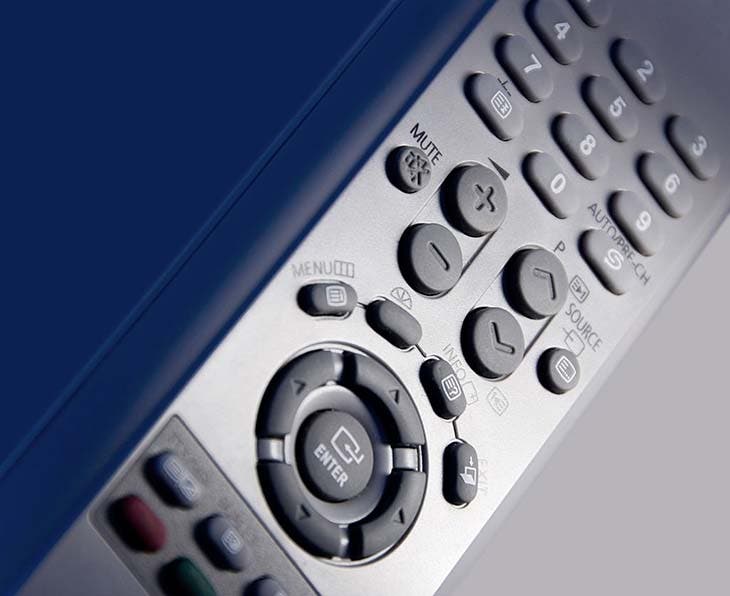
Okay, so picture this: me, sprawled on the couch, popcorn strategically placed, ready for a serious movie night. But then... disaster! The remote vanished. Like, completely vanished. Did it fall into another dimension? Had the dog eaten it? (Don't judge, he has a thing for chewing things he shouldn't). After a frantic search that involved upending couch cushions and employing a flashlight, I finally found it... buried under a pile of, ahem, "essential" documents (read: old takeaway menus). Seriously, where does that thing go?
Which brings me to today's topic: mastering the art of the universal remote, specifically for your TV and recorder (lecteur enregistreur for those of us embracing our inner Francophone). Because let's face it, juggling multiple remotes is a first-world problem, but it's still a problem. Especially when you're deep in the middle of a binge-watching session. (Are you a binge-watcher too? Tell me in the comments!).
So, You Have a Universal Remote. Now What?
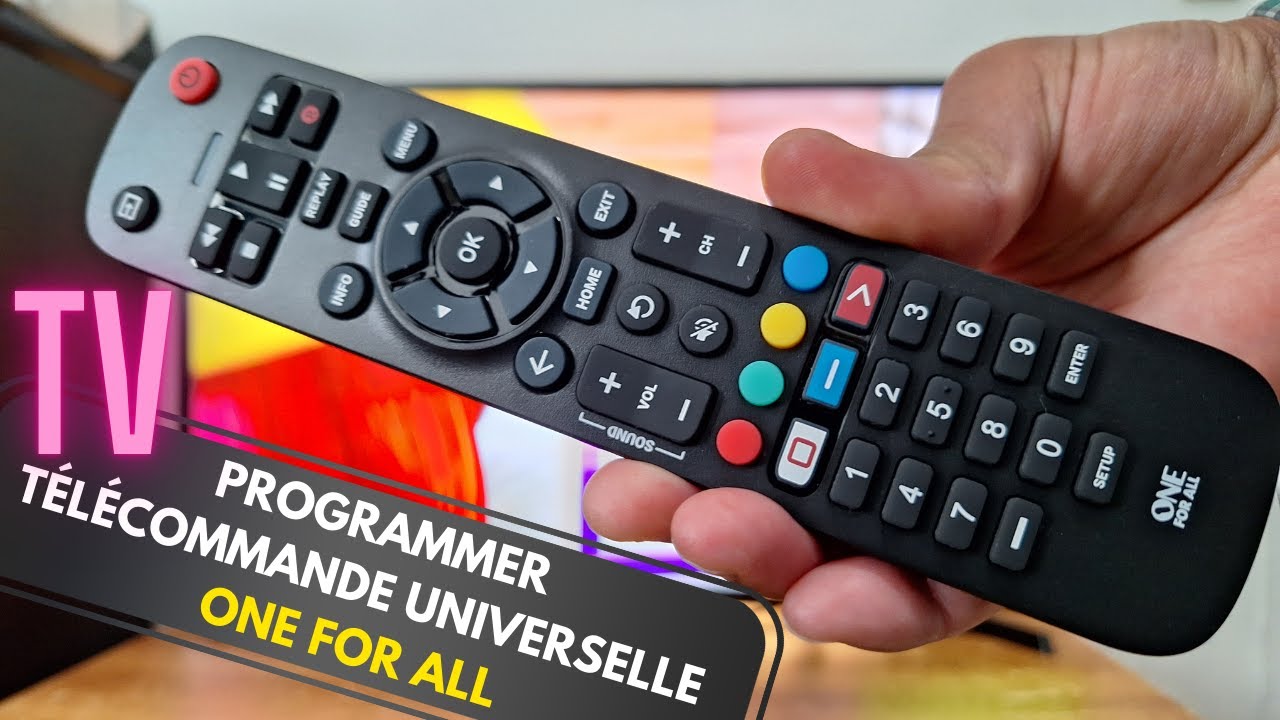
First things first: identification. Look closely at your remote. Is it a brand name you recognize (like Logitech Harmony, One For All, Philips, etc.)? Or is it some generic, unbranded beast that came with your TV or recorder? Knowing the brand is crucial. If it's branded, head to their website! Most manufacturers have online guides and downloadable software. They're your new best friends, trust me. (Unless their website is a total mess... then, good luck!).
If it's a generic remote, don't despair! It just means things will be a little more challenging. But hey, who doesn't love a challenge? (Okay, maybe not when it involves figuring out tech, but stick with me!).
The Code Hunt: Finding the Right Numbers
The key to universal remote success lies in the codes. These are numerical codes that tell the remote how to communicate with your specific TV or recorder model. Most universal remotes come with a booklet (or a very, very long list online) containing these codes, organized by brand.
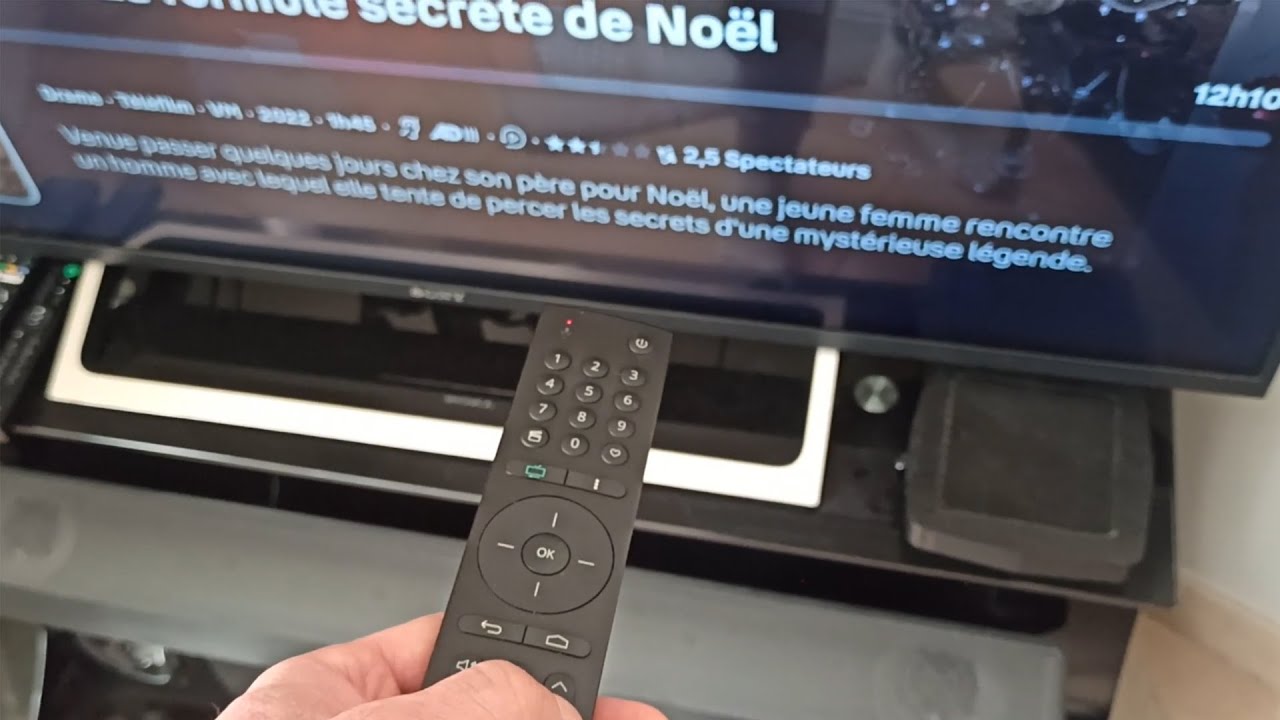
Here's the general process:
- Turn on your TV (or recorder). Obvious, but you'd be surprised!
- Locate your device's brand in the code list.
- Try the first code listed. (This is where the patience comes in).
- Follow the instructions that came with your remote (usually something like pressing a "Setup" button and entering the code).
- Point the remote at your TV and try turning the volume up or down.
- If it works, hooray! You've conquered the code hunt. If not, move on to the next code. Keep going until you find one that works!
Important Tip: Don't throw away the code list! Seriously, keep it somewhere safe. You'll thank yourself later if you ever need to reprogram the remote.

"Auto Search" - A Last Resort (or a First, if You're Feeling Lazy)
Some universal remotes have an "auto search" function. This is essentially the remote trying every single code until it finds one that works. It can be slow, but it's often easier than manually entering codes. (Think of it as the brute-force approach). To use this function, consult your remote's manual (again, the manual is your friend!).
Word of Caution: The auto-search can sometimes stop on a code that partially works. For example, it might turn the TV on and off, but not control the volume. If this happens, keep searching! You want a code that controls all the essential functions.
Specific to Lecteur Enregistreur (Recorder):
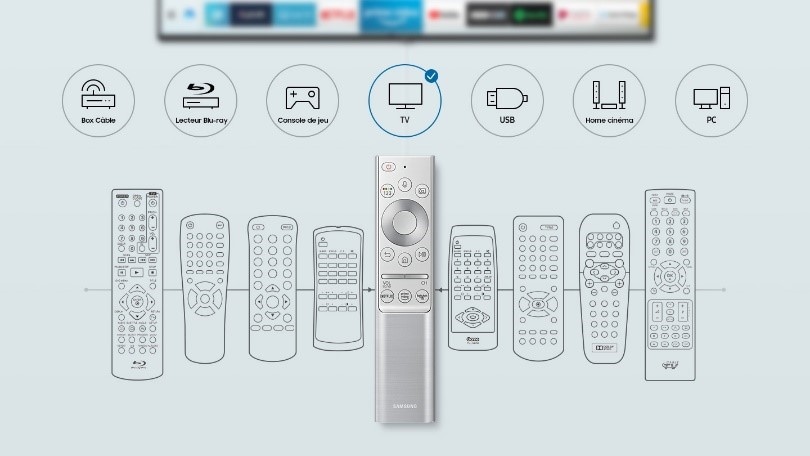
When setting up your recorder, make sure you're selecting the correct device type on the remote. Most universal remotes can control multiple devices (TVs, DVD players, Blu-ray players, recorders, etc.). You'll need to tell the remote that you're trying to control a "recorder" or a "DVR." Otherwise, the codes won't work properly. (Trust me, I've been there. Frustration city!).

Troubleshooting Common Problems
Remote isn't working at all? Make sure the batteries are good! It sounds obvious, but it's the most common problem. (And yes, I've spent an hour troubleshooting a remote only to realize the batteries were dead. Don't judge!).
Remote only controls some functions? You might have found a code that partially works. Keep searching for a better code.

Remote is programmed, but stops working after a while? The remote might be losing its programming. This can happen if the batteries are low or if the remote is accidentally reset. Try replacing the batteries and reprogramming the remote.
Still stuck? Don't be afraid to Google! Search for "[your remote brand] setup guide" or "[your TV brand] universal remote code." The internet is a vast repository of knowledge (and cat videos, but that's a different story).
Ultimately, getting your universal remote to play nice with your TV and lecteur enregistreur can be a bit of a process. But with a little patience (and maybe a glass of wine), you can conquer the remote control chaos and finally enjoy that movie night. And remember, if all else fails... there's always the power button on the TV itself. Just saying. Happy watching!