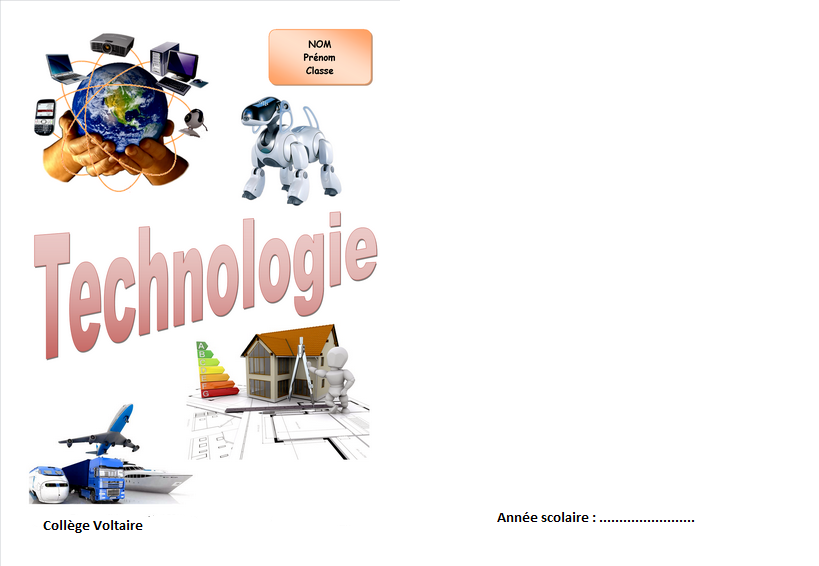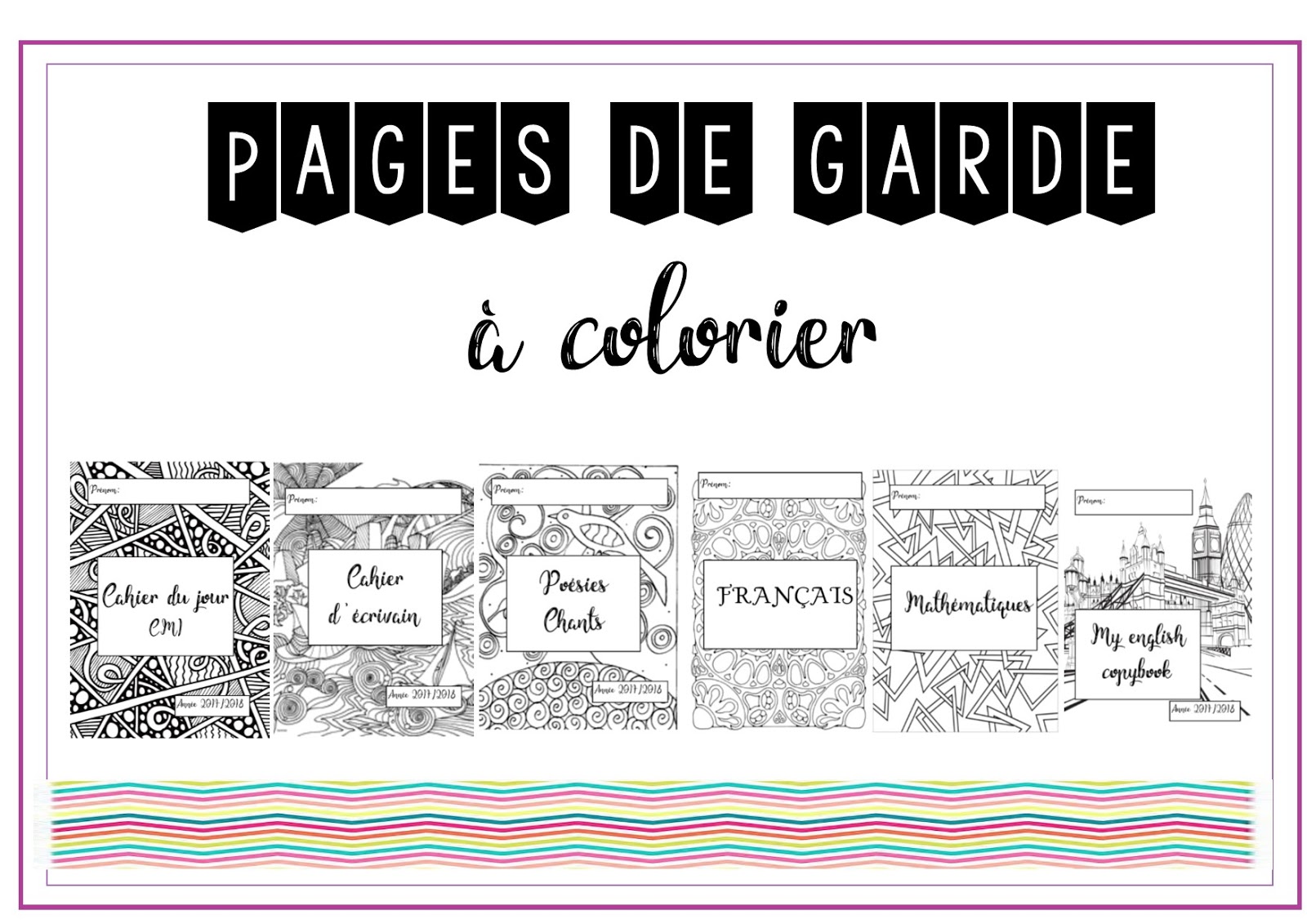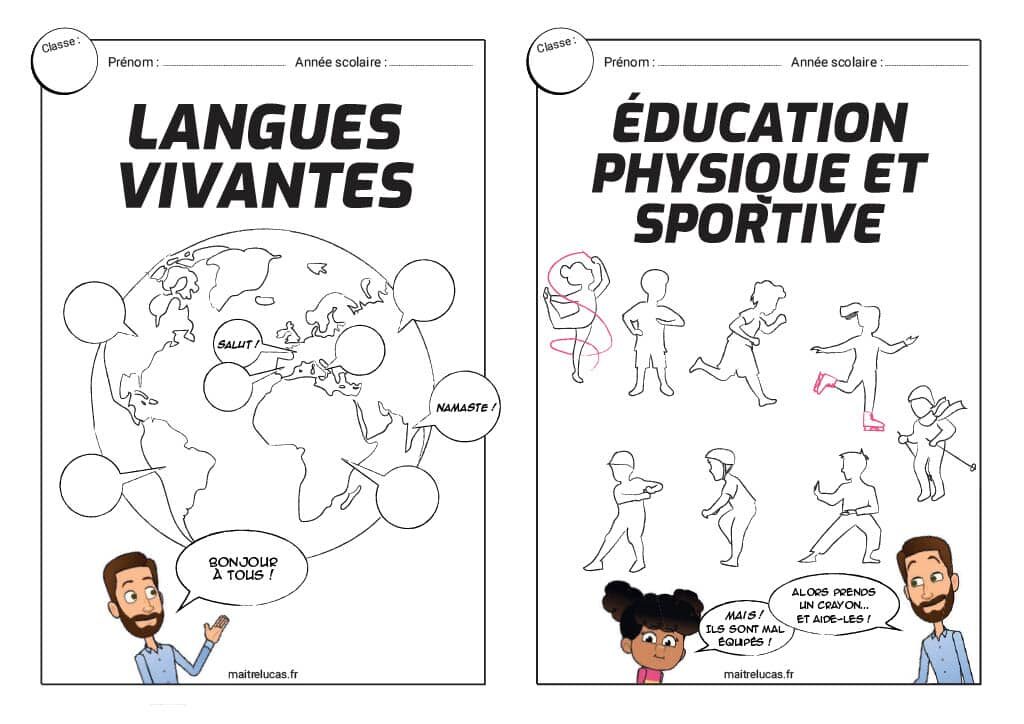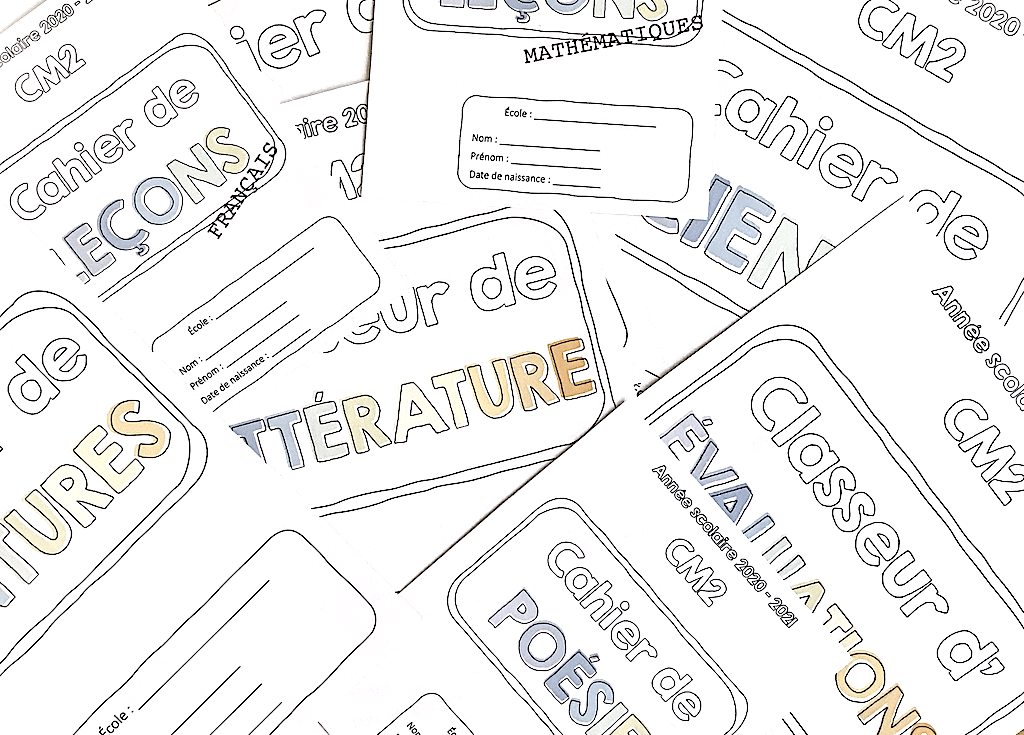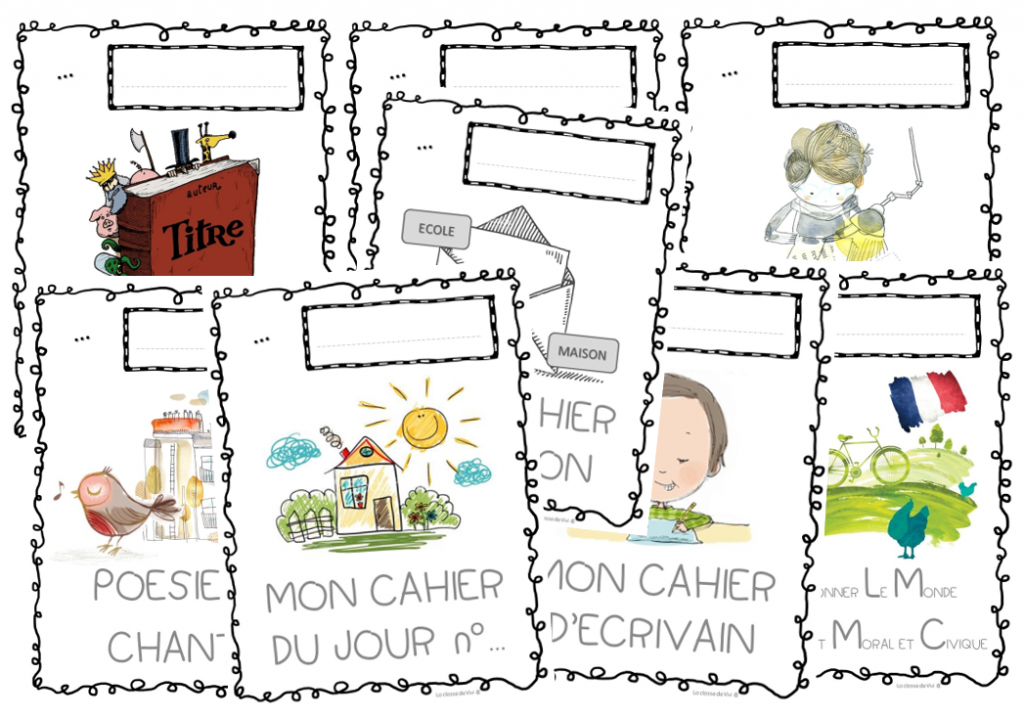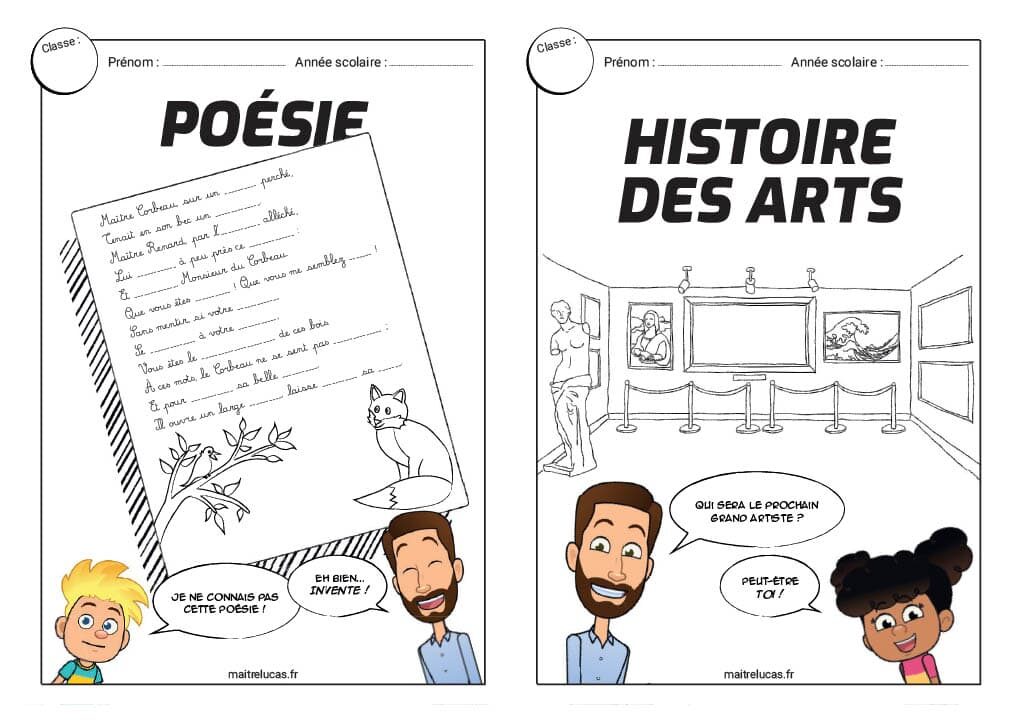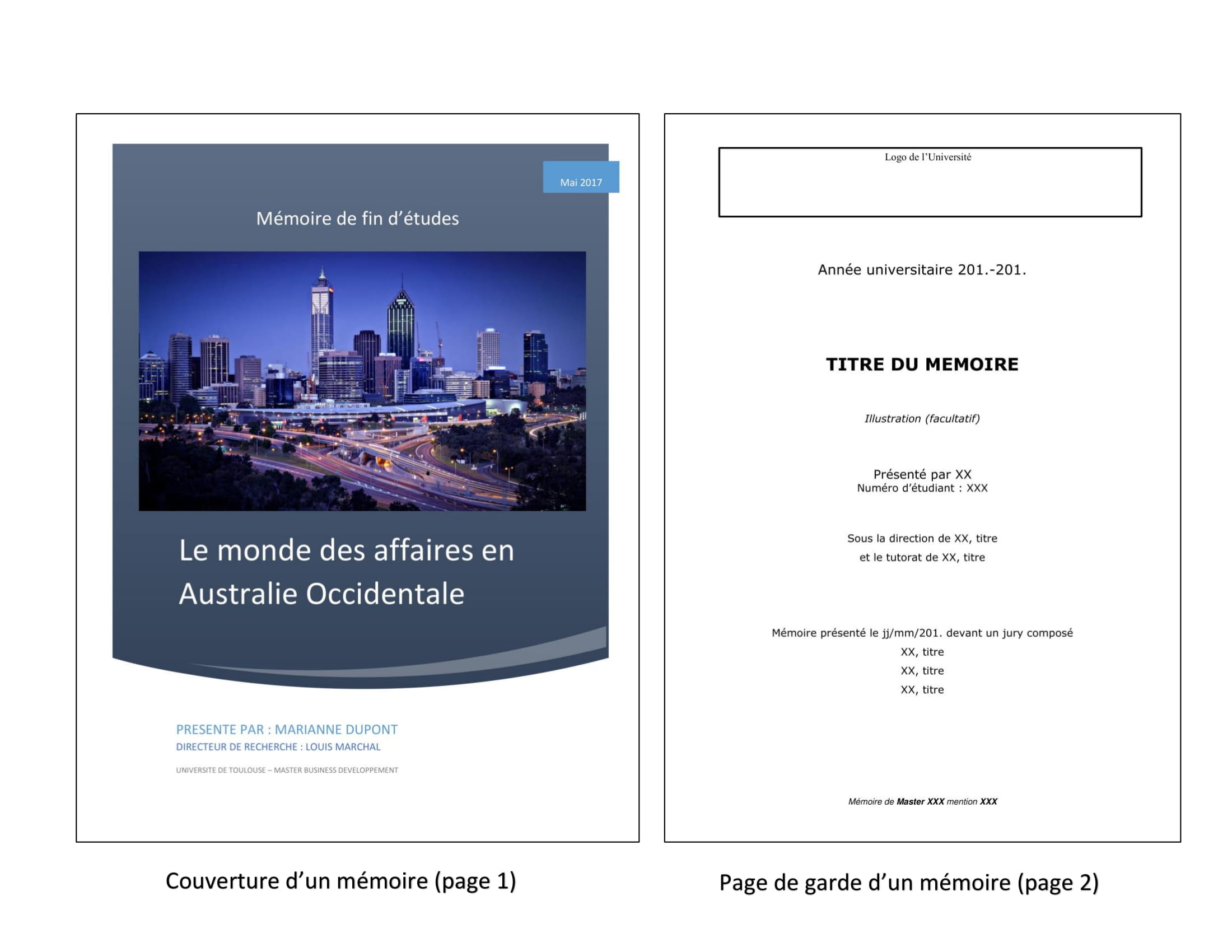
Okay, imagine this: I'm rummaging through a stack of old papers, relics from my collège days (yes, collège, not high school – we're talking French education here!). And what do I find? A meticulously crafted, almost comically serious page de garde (cover page) for some forgotten research project. It had my name, class, the teacher's name (because heaven forbid we forget that!), the subject… all surrounded by ornate, slightly wonky hand-drawn borders. Remember doing that? The pressure! Like the cover page mattered more than the content!
That little flashback got me thinking: the humble page de garde in French collèges (and sometimes lycées) – what's the deal with it? Is it just an exercise in bureaucratic tedium, a holdover from some ancient scholastic tradition? Or does it actually serve a purpose? Let's dive in, shall we?
Why the Page de Garde is Basically a French Institution
Seriously, every major assignment, every dissertation, every report – bam! – page de garde. It's unavoidable. But why? Well, here are a few (potential) reasons:
- Identification, Duh!: Okay, obvious, right? It clearly identifies the document. Helps the teacher (or whoever is grading it) quickly figure out whose work they're holding. Less chance of confusion in the pile! (Though, let's be real, sometimes the handwriting on the page de garde was worse than the actual assignment).
- Formal Presentation is Key: French education places a lot of emphasis on presentation. It's not just about the content; it's about how you present it. The page de garde is your first impression, a chance to show you've taken the assignment seriously and have a sense of organization. (Think of it like the perfect outfit for a job interview… but for your homework!).
- Standardization and Consistency: A page de garde brings a certain level of standardization to the chaos of student submissions. Everyone's using (roughly) the same format, making it easier for teachers to quickly scan and assess the work. It’s all about neatness!
- Practice for Future Academia (and Life?): This one might be a stretch, but the page de garde could be seen as training for the future. Learning to organize information clearly and concisely is a valuable skill, whether you're writing a university thesis or a professional report. (Maybe… just maybe?).
What Usually Goes On That Precious Piece of Paper
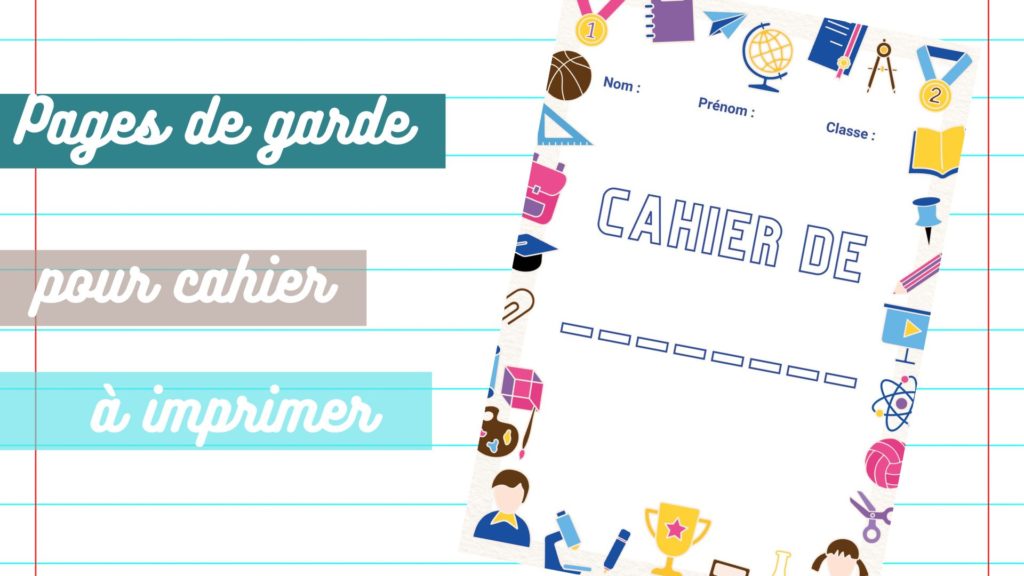
The specifics of what exactly needs to go on a page de garde can vary from teacher to teacher (oh, the joy!). But generally, you're looking at something like this:

- Your Name (obviously!): First name, last name, the whole shebang.
- Class and Group (if applicable): Ex: 4ème B, or Groupe 2. Precise!
- Subject: Histoire-Géographie, Maths, Français… you know the drill.
- Teacher's Name: Madame Dubois, Monsieur Martin, etc. Don’t mess this one up!
- Title of the Assignment: The official title.
- Date: Because when you submitted it matters!
Optional Extras (For Bonus Points… Maybe?)
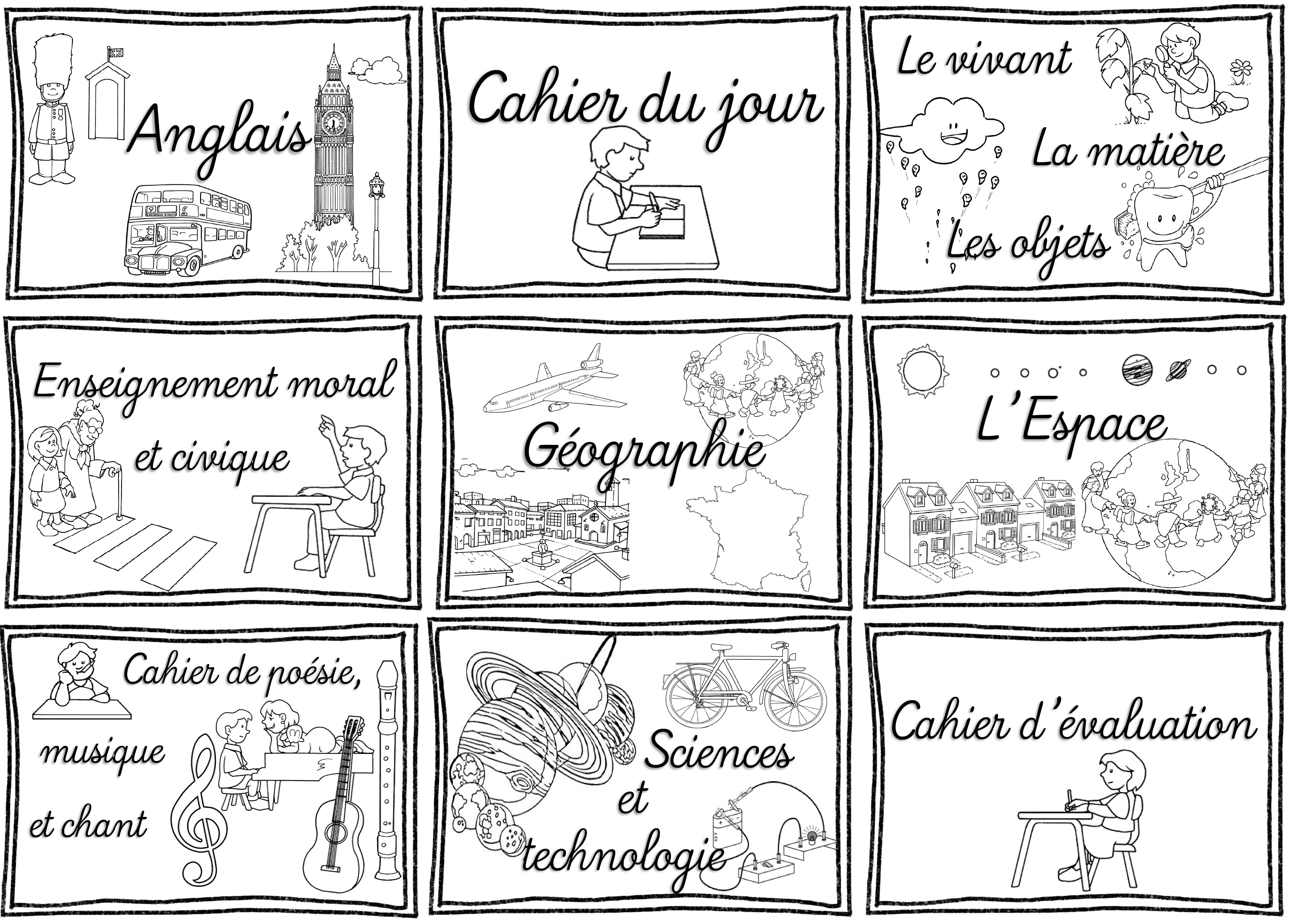
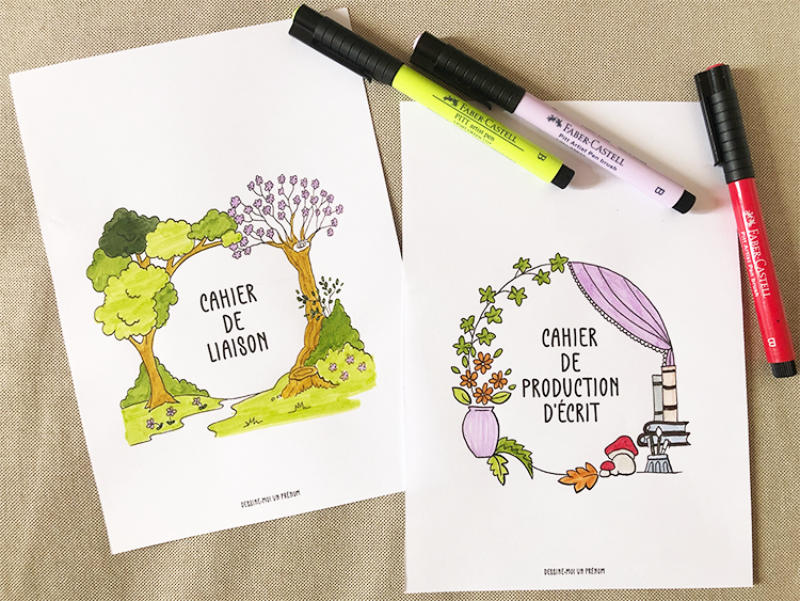
- A Decorative Border?: Remember those? Some teachers actively encouraged them. Others… not so much. (My advice: tread carefully! Play it safe!).
- A Relevant Image?: If you were feeling particularly artistic (or desperate for extra credit), you might attempt a drawing or print a relevant image. Again, depends on the teacher and the subject!
The Ironic Truth About the Page de Garde
Here's the thing: while the page de garde is meant to showcase organization and attention to detail, it can sometimes become a source of stress and anxiety. You spend so much time perfecting the font, the layout, the borderline… that you might actually procrastinate on the actual assignment! Been there, done that?
And let's be honest, sometimes the teacher doesn't even look at it! They just flip right to the content. But hey, at least you tried. And you have a beautifully organized document, at least on the outside! Now, go conquer that French homework!