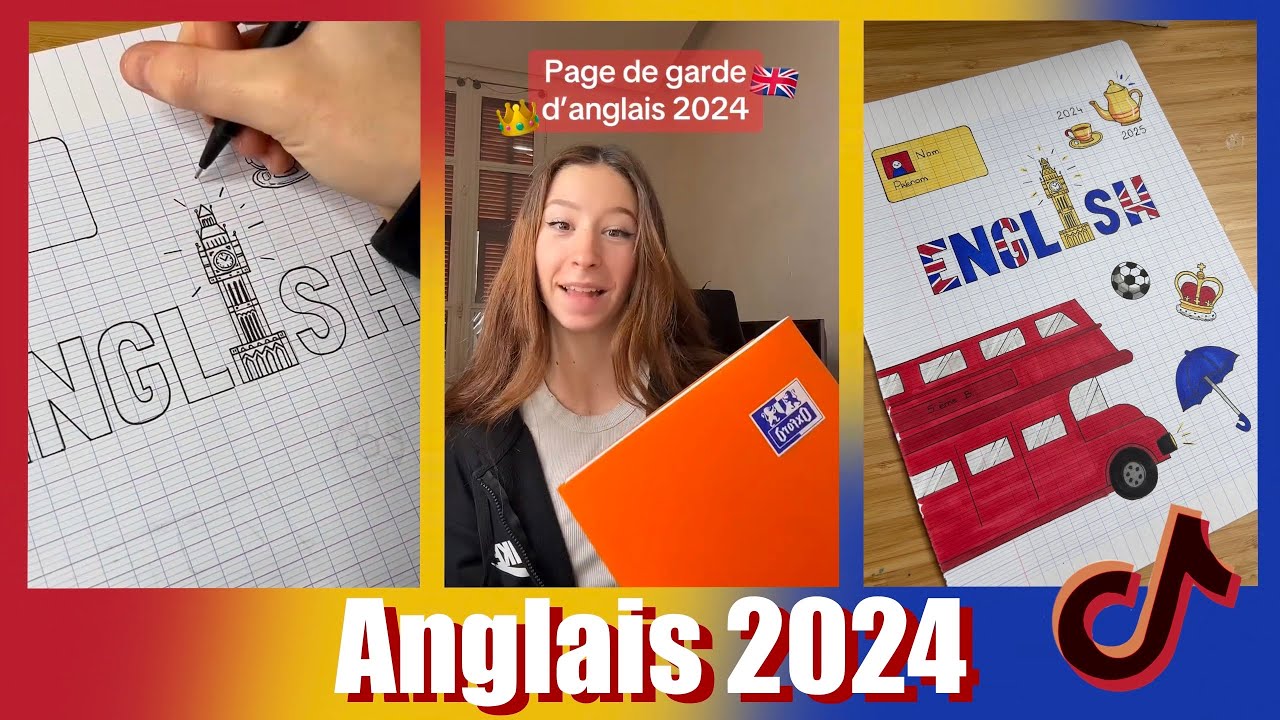
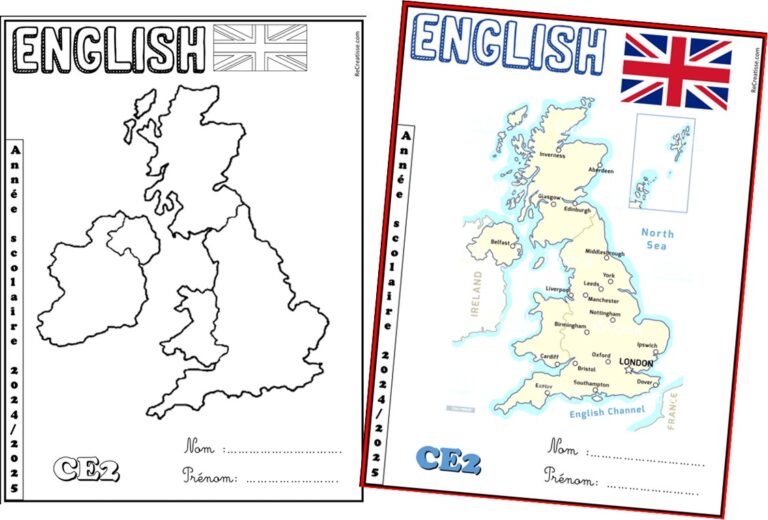
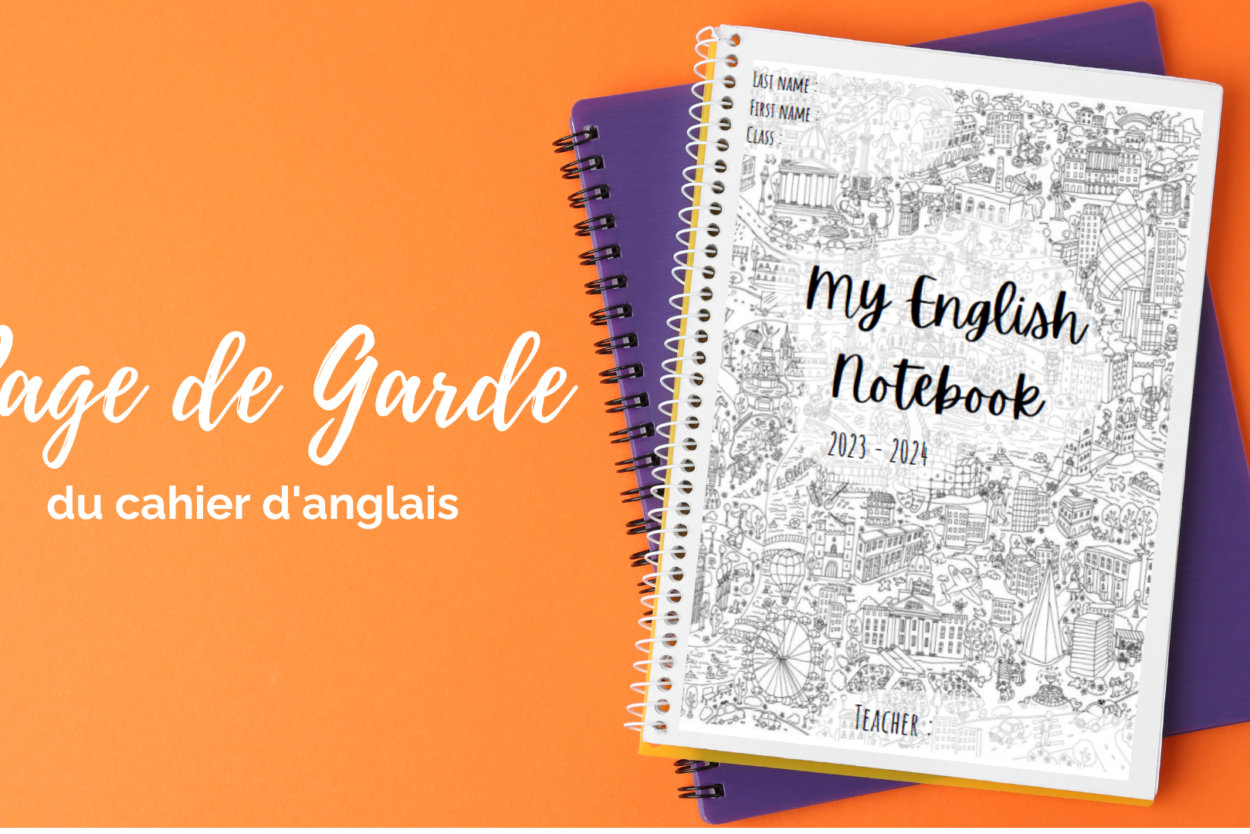
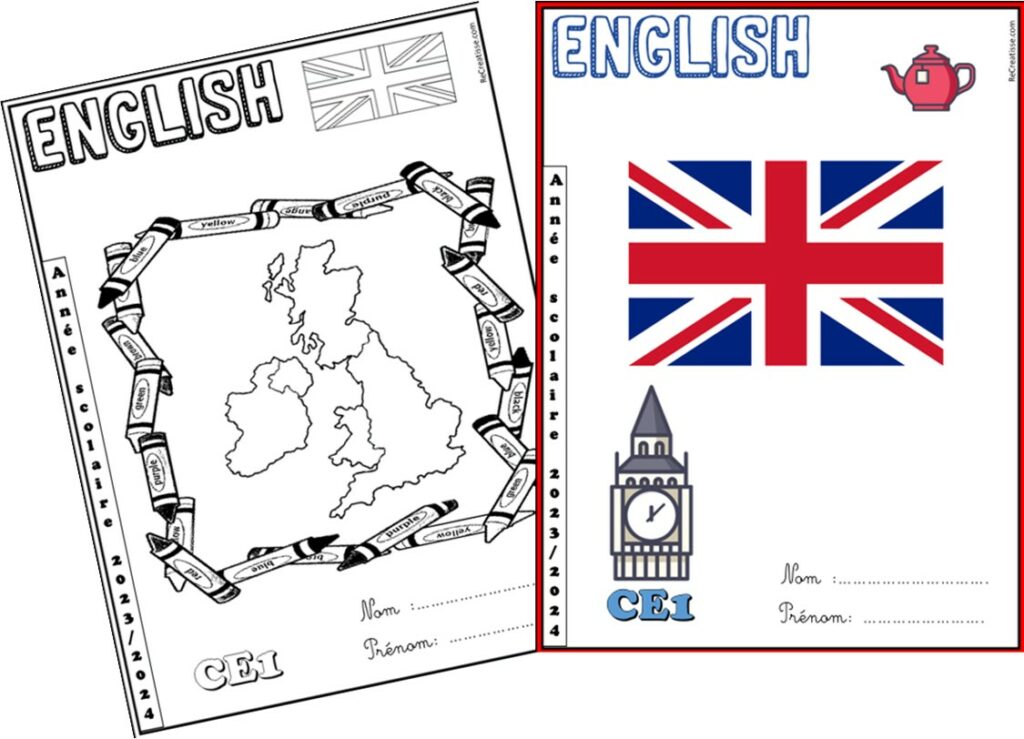
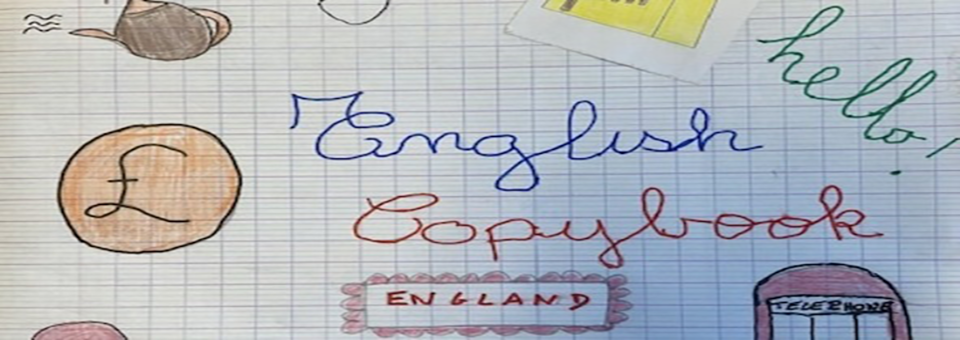
Ah, la page de garde. Even the words themselves sound like a sophisticated spy operation, don't they? Except, instead of uncovering international secrets, we're usually just trying to remember which English teacher will be grading our Euro Lycée assignments. And trust me, that can feel like a mission impossible sometimes!
The Mystery of the Missing Information
Let's be honest, constructing the perfect "page de garde" is a delicate art. A bit like soufflé-making, except instead of egg whites, we're dealing with font sizes and the existential dread of accidentally misspelling the teacher's name.
What Goes On It? That is the Question!
So, what treasures should adorn this hallowed page? Well, it generally includes these crucial elements:
- Your Name: Preferably spelled correctly. Twice. Just in case. (Teachers appreciate the redundancy. They really do.)
- Class/Grade: Because let's face it, "I'm in a class, somewhere, doing something in the Euro Lycée program" isn't quite specific enough.
- Subject: English, Anglais, or even "That Thing with Shakespeare". Teachers usually decipher it eventually.
- Teacher's Name: This is where the pressure ramps up. Double-check. Triple-check. Maybe even consult a higher power. Spelling errors here are… frowned upon.
- Date: Ah, the date. Often the last thing you fill in, usually the day after the actual deadline. Whoops!
- Title of the Assignment: Unless you have a wonderfully creative teacher, who will give you the title only 30 minutes before its due. Prepare to get those mental gears spinning.
And perhaps, if you're feeling particularly fancy, a subtle border. Emphasis on "subtle". We're aiming for "elegant academic," not "circus sideshow".
The Formatting Fiasco
Ah, formatting. The bane of every student's existence. What font size is optimal? Should the teacher's name be bolded? Is it sacrilege to use Comic Sans? (Spoiler alert: Yes. Yes, it is.) The answer, my friends, is often found by carefully examining previous submissions. If Madame Dubois clearly favors Times New Roman, then Times New Roman it is!
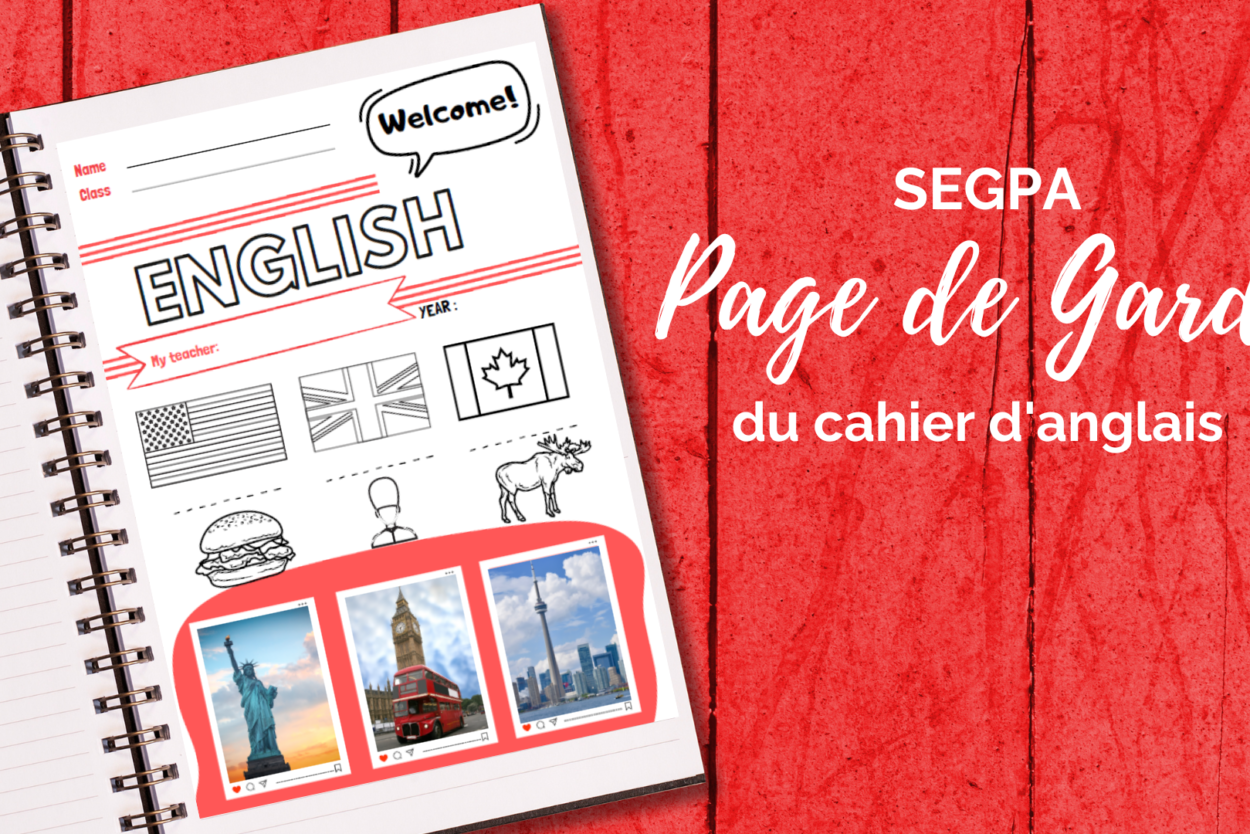
Pro-Tip: Resist the urge to use every font you can find. Even though you might feel that a diverse array of fonts adds personality to your work, you might end up looking like you accidentally activated every option in Microsoft Word.
Euro Lycée Specific Shenanigans
The Euro Lycée adds a certain je ne sais quoi (a.k.a. a dash of extra stress) to the whole page de garde experience. Suddenly, you're not just presenting an English assignment; you're representing an entire international program! The pressure! The glory! (Okay, maybe just the pressure.)

Expectations are often high, so make sure your page de garde is neat, tidy, and, dare I say, impeccable. Think of it as your first impression – the academic equivalent of a firm handshake.
Common Pitfalls (and How to Avoid Them)
- The Last-Minute Rush: We've all been there. Don't. Just… don't. Rushing leads to typos, formatting errors, and existential regret.
- The "Creative" Font Choice: Save the Wingdings for your personal diary. Trust me.
- The Blatant Plagiarism of Google Images: A little inspiration is fine; wholesale ripping off someone else's design is not.
- Forgetting the Date: Seriously. It happens. Set a reminder. Write it on your hand. Tattoo it on your forehead. Whatever it takes.
- Misspelling the Teacher's Name: See above. Repeat as needed.
In Conclusion: Embrace the Page de Garde
So, there you have it. The art, the science, the utter madness that is the English Euro Lycée page de garde. It might seem trivial, but it's a small act of academic ritual that can (hopefully) earn you a few extra points. Think of it this way: a well-crafted page de garde is like a tiny academic halo. It won't guarantee an A+, but it might just prevent a C-. And in the grand scheme of Euro Lycée life, sometimes, that's all you can ask for. Now, go forth and create! And may your font sizes be ever in your favor!