Okay, so picture this: me, bleary-eyed at 3 AM, fuelled by questionable instant coffee, wrestling with a PDF for what felt like the hundredth hour. It was my thesis. And guess what was holding me up? Not the groundbreaking research, not the complex algorithms, but the freaking cover page. I swear, formatting that thing in LaTeX felt like defusing a bomb. Now, years later, I still get a tiny shudder whenever I hear the words "page de garde." Ugh. But hey, things are (supposedly) getting better, right? Especially if we're talking about a Page de Garde Allemand Numérique!
What am I babbling about? Let's dive in.
What exactly is a Page de Garde Allemand Numérique?
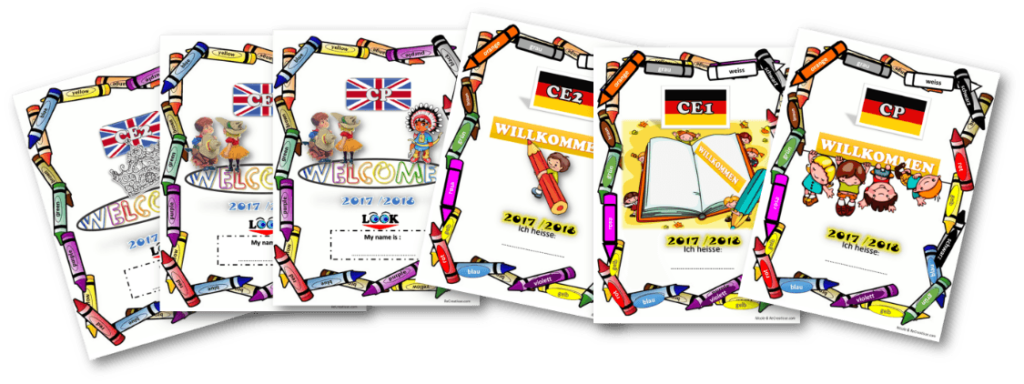
Alright, "Page de Garde Allemand Numérique" translates to "German Digital Cover Page." Makes sense, right? But what does it mean in practice? Well, in the academic world (especially in Germany, obviously), a "Page de Garde" is the cover page of a document, typically a thesis, dissertation, or some other scholarly work. It's not just a pretty face; it's a vital piece of information delivery.
And the "Numérique" part? Ah, that's where things get interesting. It implies we're talking about a digital version, which could mean a few things:
- A template: Instead of creating one from scratch (cue LaTeX-induced nightmares!), you might be able to download a pre-made template from your university. Think of it as a digital paint-by-numbers for your cover page. So much better than starting from zero.
- A digital submission form: Some universities require you to fill out an online form that automatically generates your cover page. That's right, no more manual formatting! (Imagine the joy!).
- A digitally signed document: To ensure authenticity and prevent tampering, some digital cover pages might include a digital signature. It's all about security and trustworthiness in the digital age, my friend!
Basically, it's all about streamlining the process and making it less painful for everyone involved (especially sleep-deprived students like my past self!).
Why is this even a thing?
Good question! Why bother with a digital cover page at all? Here's the lowdown:
- Consistency: Universities want a standardized look for all their academic documents. A digital template or form ensures everyone is using the same font, layout, and information. Think of it as enforcing academic uniformity.
- Accuracy: Filling out a digital form reduces the risk of typos and errors. Imagine accidentally misspelling your professor's name on the cover page of your dissertation. Shudders. A digital form helps prevent that kind of embarrassment.
- Efficiency: Downloading a template or using a form is simply faster and easier than creating a cover page from scratch. Who has time for all that formatting nonsense when there's actual research to be done?
- Accessibility: Digital documents are generally more accessible than printed ones, especially for people with disabilities. A digital cover page helps ensure that everyone can access the information they need.
It all boils down to making the academic world a little bit more organized and user-friendly. And who can argue with that?
Where do I find one?
If you're a student in Germany, the best place to start is your university's website. Look for resources related to theses, dissertations, or other academic publications. You should be able to find information about the official "Page de Garde Allemand Numérique" requirements, including templates, forms, and guidelines. Don't be shy about contacting your department or the library for help. They're there to assist you!
If you're not a student in Germany, well...this might be less relevant to you. But hey, maybe you can use the idea to improve the cover pages of your own documents. Who knows?
So there you have it: a (hopefully) clear explanation of the "Page de Garde Allemand Numérique." It might not be the most exciting topic in the world, but it's an important one for anyone navigating the German academic landscape. And who knows, maybe it'll save you from a 3 AM cover page crisis like the one I had all those years ago. Good luck!






![[VIDEO ANIMEE] APPRENDRE alphabet ALLEMAND FaCiLe et LA PRONONCIATION🛑](https://i.pinimg.com/originals/9e/0a/ea/9e0aeaf87405f03756ffdf3351b2cd46.jpg)