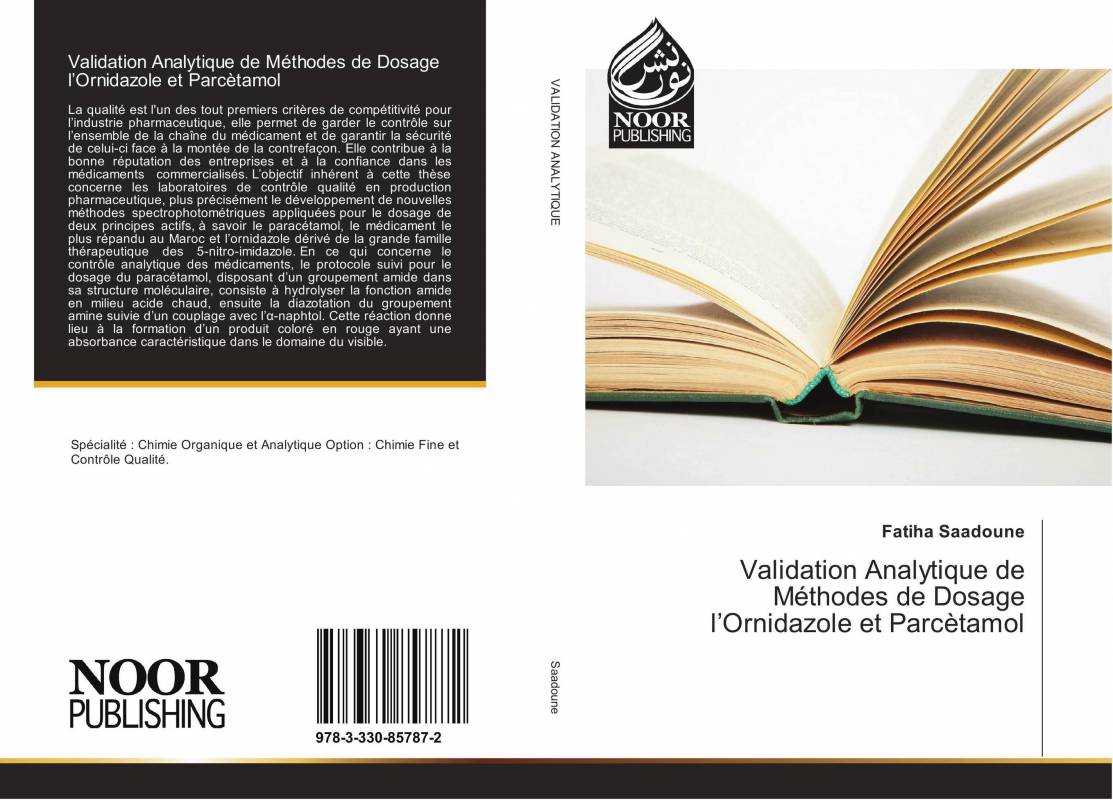
Okay, picture this: I'm frantically searching for that article. You know, the one that finally answers the burning question I've had for weeks. I stumble upon it, feel a surge of triumph… only to be greeted by a wall of impenetrable academic jargon. It's like trying to understand ancient hieroglyphics after a night of bad pizza. Déjà vu, anyone? (Yeah, I know, we’ve all been there!)
This, my friends, is precisely why we need une page de garde de revue analytique, or, as I like to call it, a "cheat sheet for academic treasure."
What Even Is a Page de Garde de Revue Analytique?
Essentially, it’s the brief summary that prefaces a longer, more in-depth analysis of a specific research article. Think of it as the movie trailer before the full feature film. It gives you the highlights, the key takeaways, and a general feel for what's to come. It should also ideally be as clear and concise as possible.
Pourquoi est-ce important, you ask? (Good question! I was getting to that!) Well, because nobody wants to wade through 50 pages of densely written text just to figure out if the article is actually relevant to their research. This is especially helpful when working on a literature review! A page de garde saves time, clarifies the article's purpose, and allows you to quickly assess its value.

Elements of a Killer Page de Garde
Alright, let's break down the essential components. These are the things you absolutely must include. It's like the recipe for a perfect crème brûlée. You need the right ingredients!
- Identification de l'article: Obviously! Include the full title, authors, journal, publication date, and DOI or URL. Think of it as the article's passport.
- Résumé de l'article original: This is where you condense the article's main points into a few concise sentences. What problem is the article addressing? What methods did the authors use? What were the key findings? Don't just copy and paste the abstract – rephrase it in your own words!
- Problématique: What specific question is the research trying to answer? What gap in the existing knowledge does it fill? This is crucial for understanding the article's relevance.
- Méthodologie: Briefly describe the research methods used (e.g., surveys, experiments, statistical analysis). Knowing how the research was conducted is important for assessing its validity. Was it a qualitative or quantitative study?
- Principaux résultats: Highlight the most important findings. Avoid getting bogged down in the details. Focus on the key takeaways.
- Forces et faiblesses de l'article: This is where you get to be a little critical. What are the strengths of the study? What are its limitations? Were there any potential biases? Don't be afraid to politely point out any shortcomings (but be fair!).
- Pertinence pour votre propre recherche: Explain how the article relates to your research interests. Why is it relevant to your work? How does it contribute to your understanding of the topic? This is where you connect the dots!
Tips and Tricks for Writing a Great Page de Garde
Now for some insider secrets! These are a few extra pointers to help you create a truly effective page de garde:
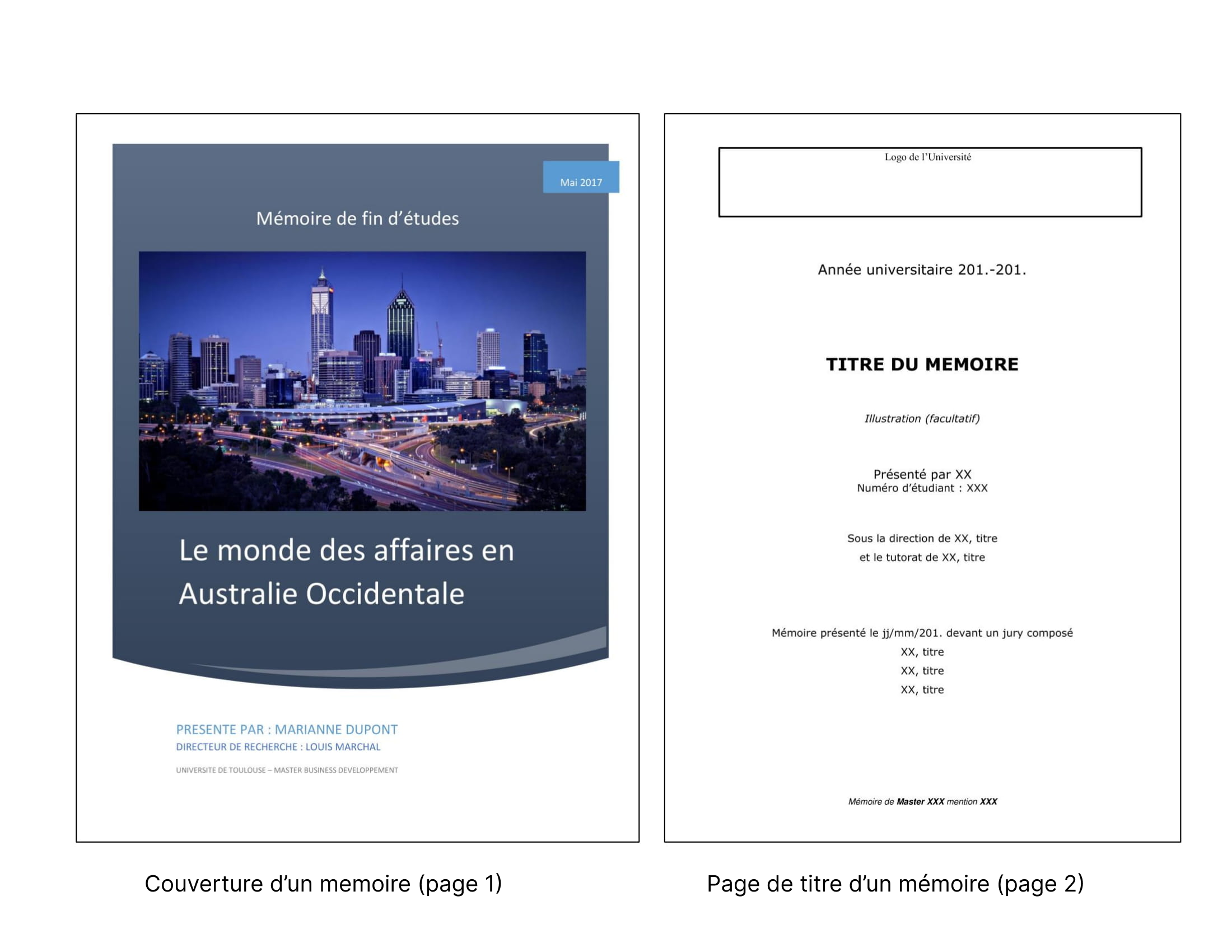
- Be concise: Keep it short and sweet. Aim for one page maximum. Nobody wants to read a summary that's longer than the original article!
- Use clear and simple language: Avoid jargon and technical terms. Remember, the goal is to make the article more accessible, not less. Write as if you were explaining it to a smart friend who isn't an expert in the field.
- Be objective: Present the information fairly and accurately. Avoid expressing your personal opinions or biases.
- Proofread carefully: Check for any errors in grammar or spelling. A sloppy page de garde reflects poorly on your analysis.
So there you have it! A page de garde de revue analytique isn't just some fancy academic term. It's a valuable tool for navigating the often-overwhelming world of research. It's your cheat sheet, your guide, your key to unlocking academic treasure. Now go forth and summarize with confidence!
And hey, if you still find yourself battling that wall of jargon, feel free to reach out! We’re all in this together! (And maybe next time, skip the bad pizza... just a thought.)




![[WORD] Exemple d page de garde gratuit pour une mémoire](https://4.bp.blogspot.com/-4TJBn2CtOpA/XIJnmTqtLyI/AAAAAAAADZE/v0ZCNqH2uDwT_RJrL-6XKUuaLwo_rtZhwCLcBGAs/s1600/exemple_page_de_garde_2019_word_certicate.PNG)