Salut toi ! Ever wondered about the seemingly tiny, yet actually quite significant, differences between a page de garde and a couverture? Don't worry, you're not alone! It's one of those little French nuances that can make you feel like you're navigating a linguistic maze. But fear not, mon ami(e), because we're about to unravel this mystery together, and trust me, it's going to be fun!
So, let's start with the basics. What exactly are we talking about?
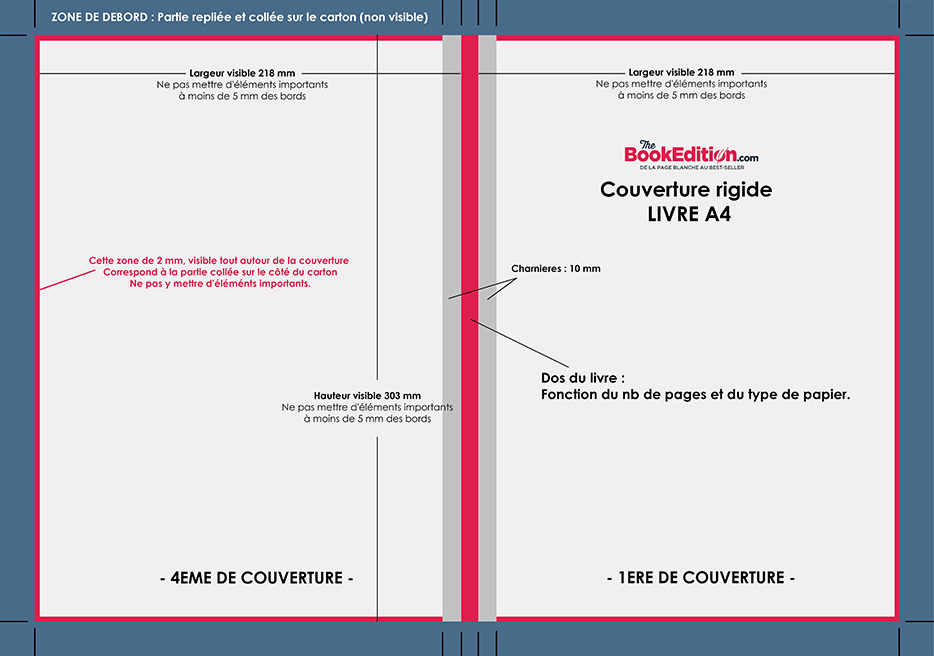
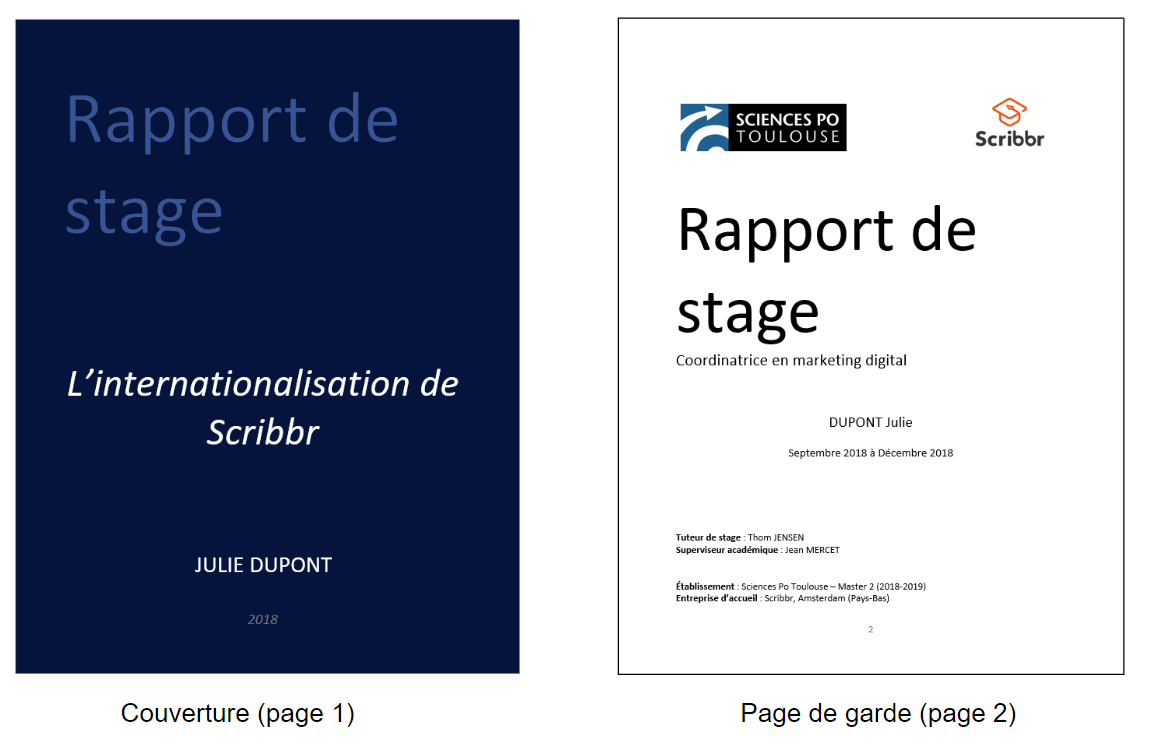
La Couverture: Your Book's First Impression
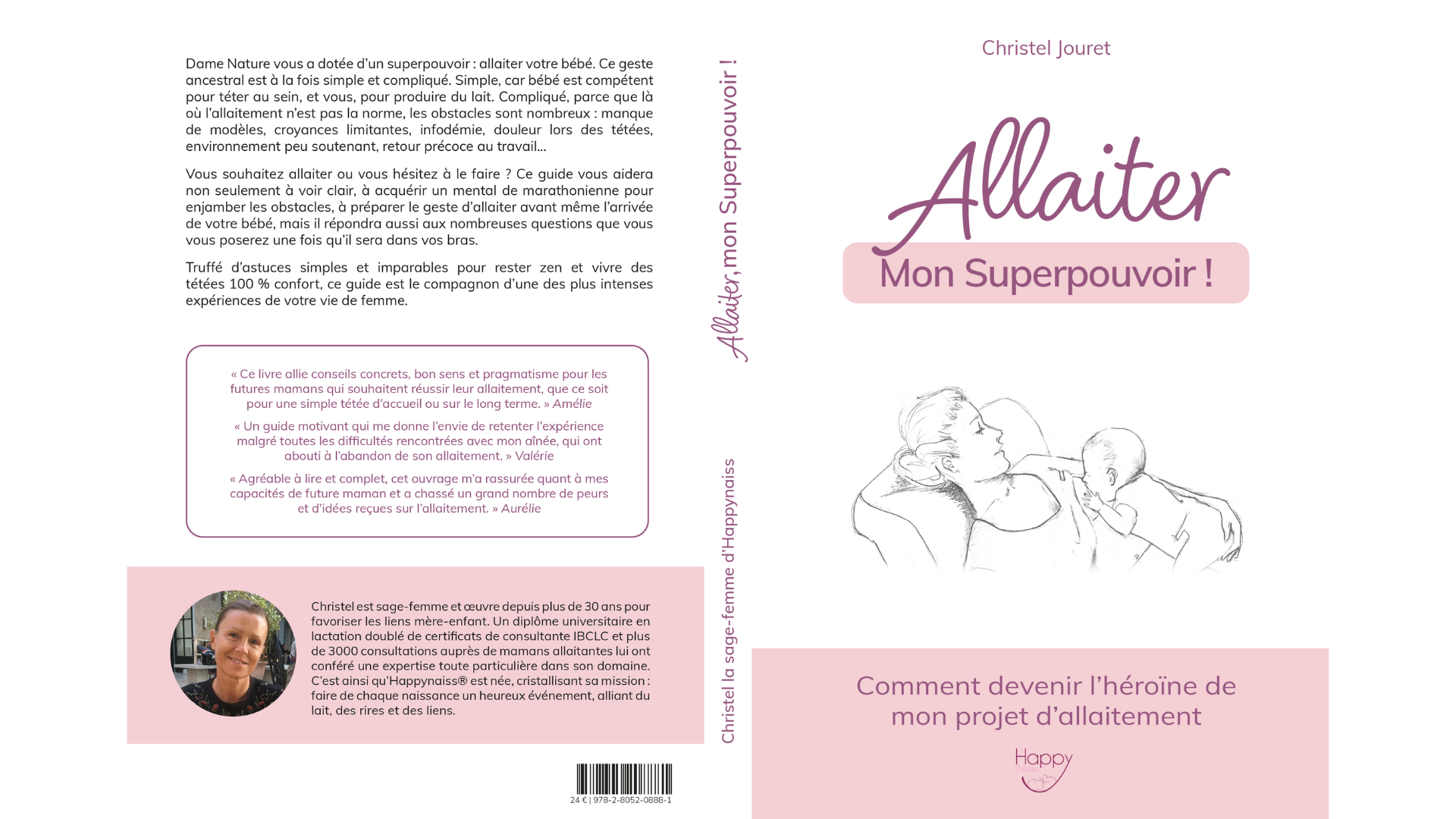
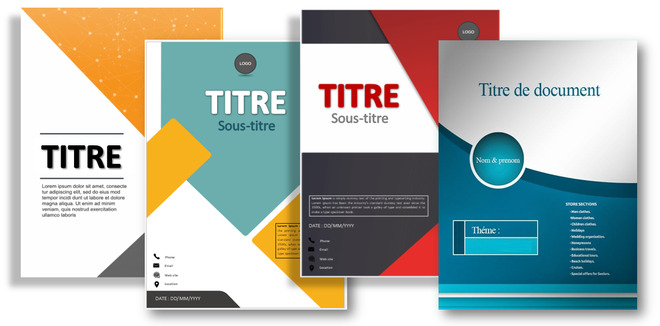
Think of la couverture, the cover, as the book's superstar. It's what everyone sees first! It's the visual appetizer that entices you to pick it up, flip it over, and hopefully, devour the contents within. It's the book's brand, its personality, its...dare I say...je ne sais quoi.
The couverture usually includes:
- The title of the book (obviously!).
- The author's name.
- Eye-catching artwork or imagery.
- Maybe even a blurb or quote to really reel you in!
Basically, the couverture is designed to grab your attention and make you want to buy (or borrow!) the book. It's the ultimate sales pitch, delivered in a visually stunning package. And who doesn't love a good sales pitch? Especially when it looks this good!
La Page de Garde: The Elegant Introduction
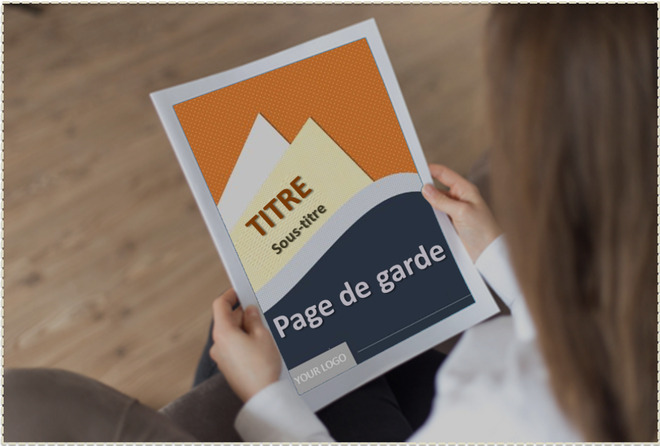
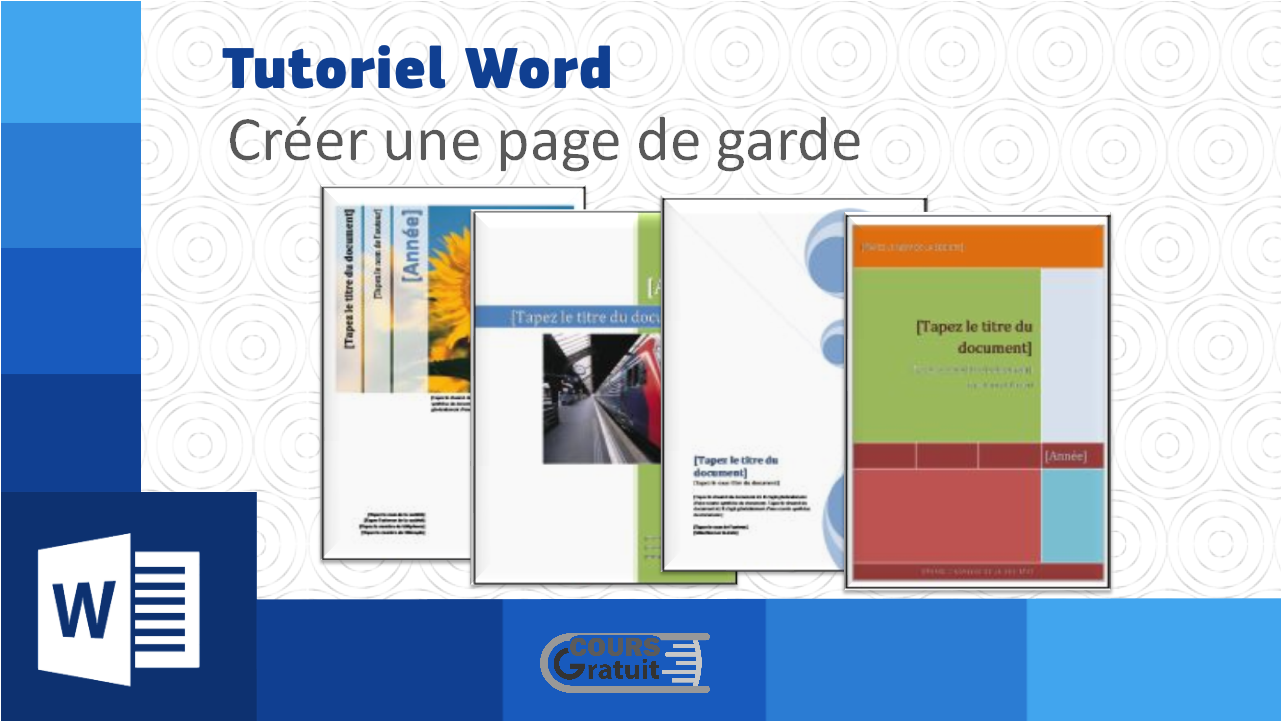
Now, let's move on to the more subtle, yet equally important, page de garde. Think of it as the book's elegant introduction. It's the page you usually see just after you open the couverture. It's a little more understated, a little more...refined.
You might ask, "what does the page de garde do?", well...
What you'll typically find:
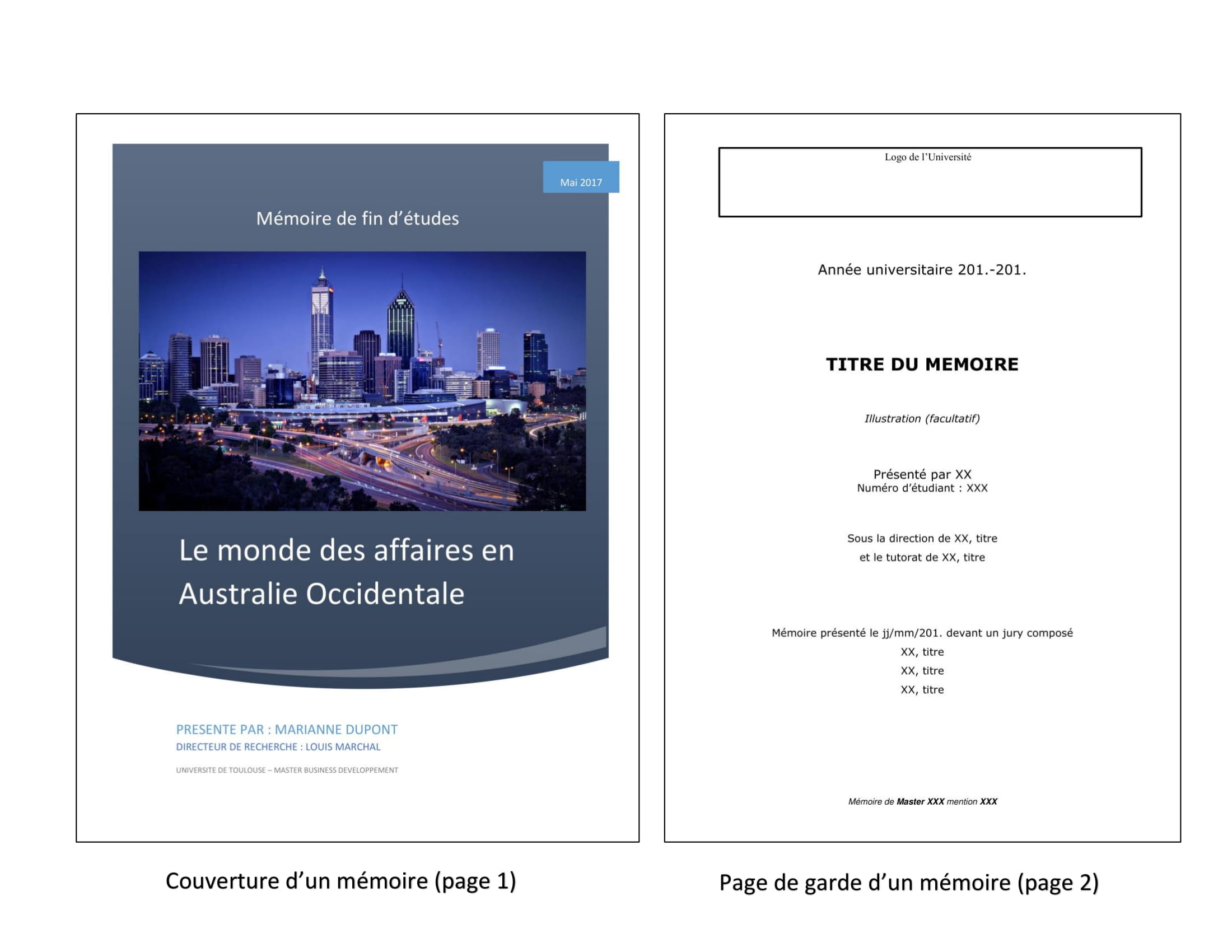
Typically, the page de garde will reiterate the title of the book, and sometimes the author's name. It often presents this information in a simple, clean font, without all the flashy artwork of the couverture. It's like the book saying, "Okay, you're inside now. Let's get serious... but in a chic way, bien sûr!"
Think of it as the book's way of saying, "Welcome! Let me formally introduce myself." It's the digital equivalent of a polite handshake and a knowing smile. It's simple, clean, and purposeful.
So, What's the Big Difference?
Okay, let's recap. The couverture is all about attracting attention with visuals and a strong first impression. It is the marketing star! The page de garde, on the other hand, is about reinforcing information and providing a more formal introduction. It's the quiet, classy friend who doesn't need to shout to be heard.
In short:
- Couverture: Sales!
- Page de garde: Politeness!

Think of it this way: the couverture is the attention-grabbing headline in a newspaper, and the page de garde is the actual article. Both are necessary, but they serve different purposes. Make sense? Parfait!
Why Should You Care?
Why bother learning about these tiny details? Well, because knowing the nuances of a language makes it so much richer! It's like discovering secret compartments in a beautifully crafted piece of furniture. You suddenly appreciate the artistry and attention to detail even more. Plus, understanding these subtleties can make you feel more confident and empowered when you're navigating the French language and culture. And who doesn't want to feel more confident and empowered? Exactement!
So go forth, explore the world of French books (and beyond!), and appreciate the artistry of both the couverture and the page de garde. It's just one small way to make your life a little more interesting, a little more enriching, and a whole lot more magnifique. Now, go explore! And remember, learning is an adventure. Bonne chance !