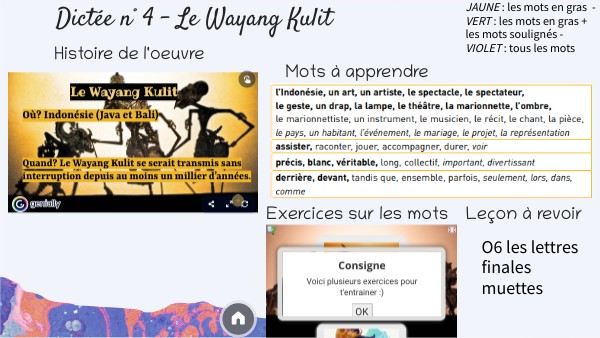
Ah, the "Dictée Bilan Le Wayang Kulit Cm2"! It might sound like a mouthful, but trust me, it's a little treasure in the world of French language learning, especially for those in the "Cours Moyen 2ème année" (CM2) – that's roughly equivalent to 5th grade. While it’s primarily designed as an assessment tool, it's far more than just another test. It's a gateway to exploring culture, reinforcing grammar, and even sparking creativity!
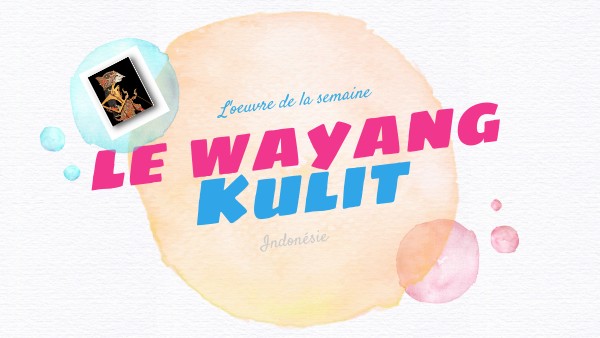
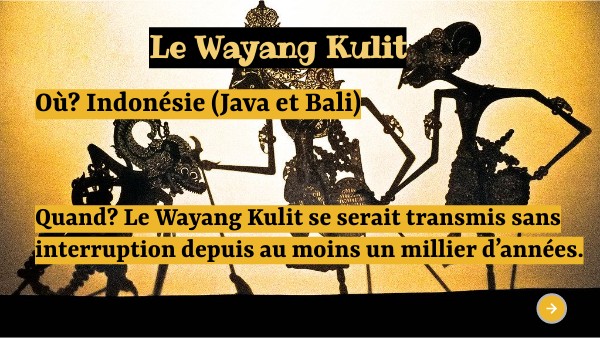
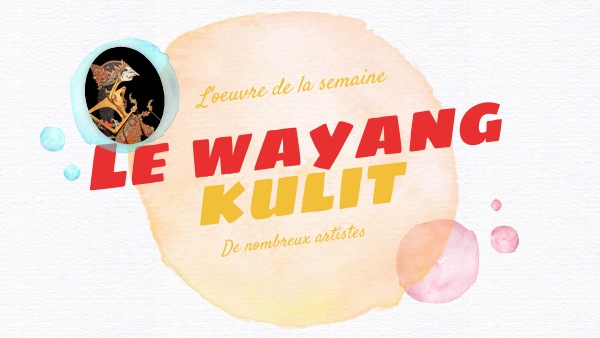
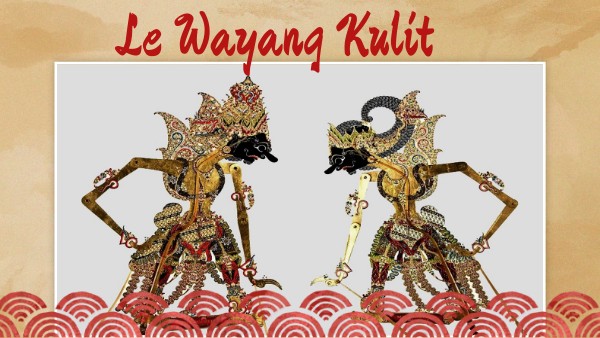
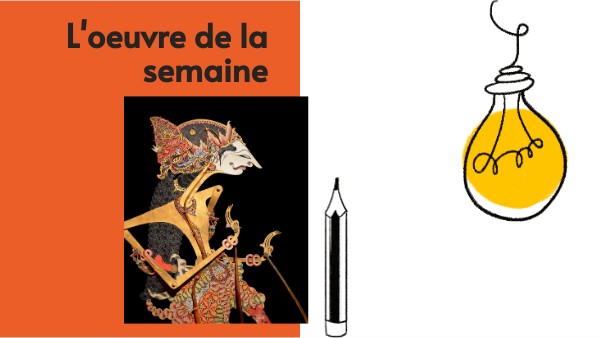
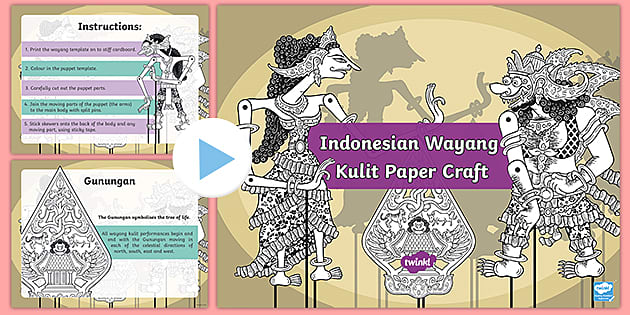
So why does this particular dictation exercise matter? Firstly, it’s a clever way to integrate culture into language learning. By using the theme of "Wayang Kulit" (Indonesian shadow puppetry), it exposes children to a fascinating art form from another part of the world. This helps them broaden their horizons and develop a sense of global citizenship. Instead of just memorizing grammar rules, they’re learning about stories, traditions, and artistic expressions.
For individuals, the "Dictée Bilan Le Wayang Kulit" offers several benefits. It reinforces grammar and spelling skills, of course. The dictation format itself requires careful listening and precise writing. The act of transcribing the text helps solidify the correct spelling of words and the application of grammatical rules learned throughout the year. But beyond that, it can also boost confidence. Successfully completing the dictation provides a sense of accomplishment and encourages students to continue striving for improvement in their French language skills. It's a tangible measure of their progress.
Think about it: a child who struggles with French might suddenly find themselves engaged because they’re fascinated by the puppets and the stories they tell. The dictation becomes less of a chore and more of an adventure. Perhaps the family even decides to explore Indonesian culture together, researching Wayang Kulit performances online or visiting a museum that features Southeast Asian art. The "Dictée Bilan" becomes a catalyst for shared learning and family bonding.
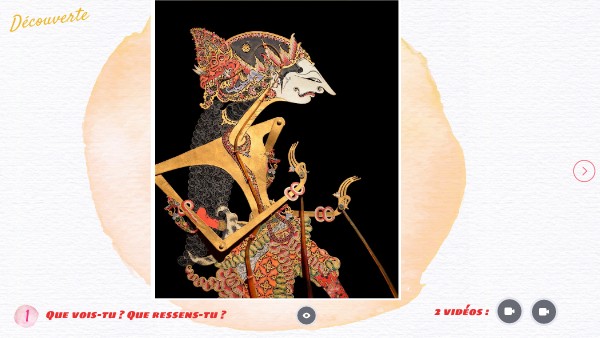
Here are a few practical tips to make the most of this dictation: Before the dictation, research "Wayang Kulit" together. Watch a short video of a performance or read a simplified explanation of the art form. This will make the dictation more meaningful and easier to understand. During the dictation, focus on listening carefully and writing legibly. Don't be afraid to ask for words to be repeated if necessary. After the dictation, carefully review your work and identify any errors. Use a grammar guide or dictionary to understand why those errors occurred and how to correct them. Make it a learning experience, not just a test!
Imagine a classroom where students are not just passively taking a test, but actively engaged in a story about ancient puppetry, listening intently, and carefully writing down the words that bring that story to life. That's the power of the "Dictée Bilan Le Wayang Kulit Cm2." It’s more than just a dictation; it's a journey of discovery, a celebration of culture, and a valuable tool for building strong language skills. By embracing it with enthusiasm and incorporating it into a broader exploration of language and culture, we can help children develop a lifelong love of learning.