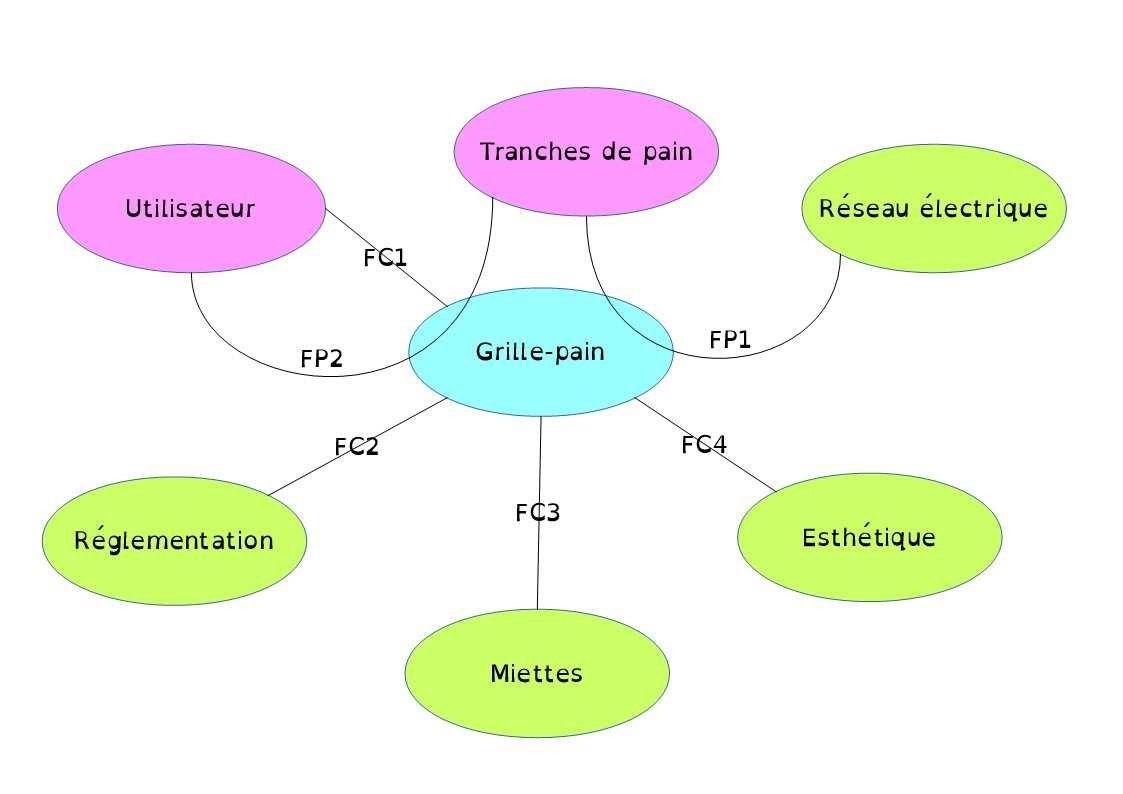
Okay, picture this: I'm staring blankly at my screen, deadline looming, and I need a cover page. Not just any cover page, mind you. This one needs to be, well, impressive. And then my professor drops the bomb: "Use a 'Pieuvre' diagram to illustrate your project's core function." A 'Pieuvre'? Seriously? I imagined some bizarre octopus drawing... Turns out, it's way more logical (and less tentacled) than it sounds.
So, what is this mystical 'Diagramme Pieuvre' (literally, "Octopus Diagram") and why is it suddenly gracing my cover page?
Le Diagramme Pieuvre, c'est quoi au juste?
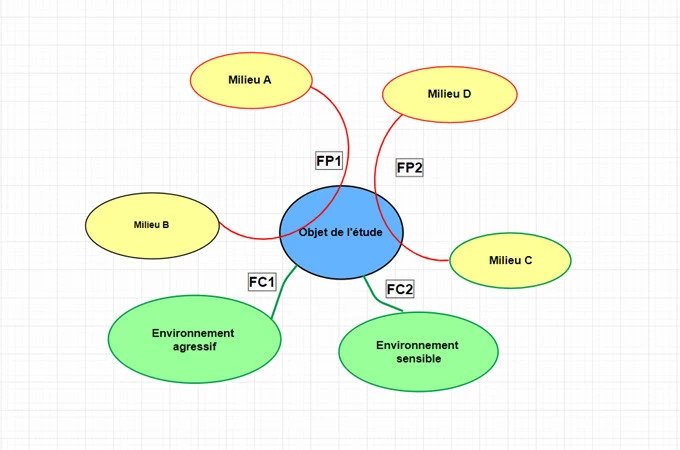
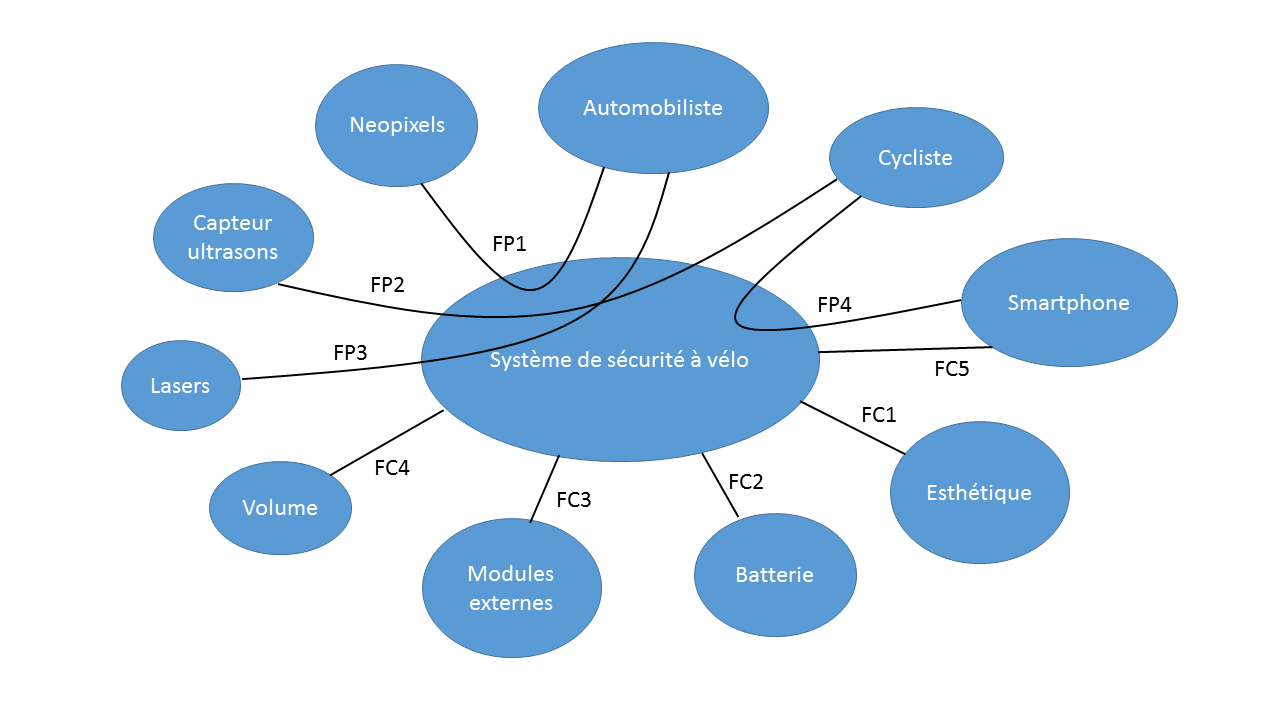
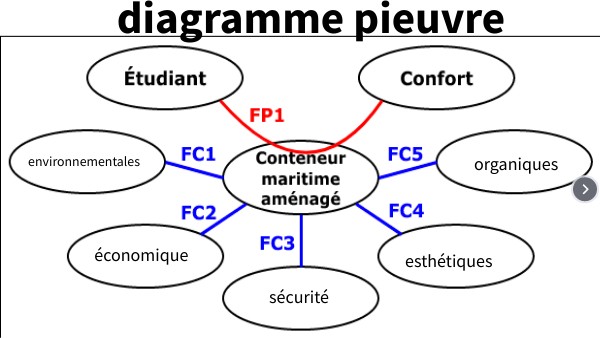
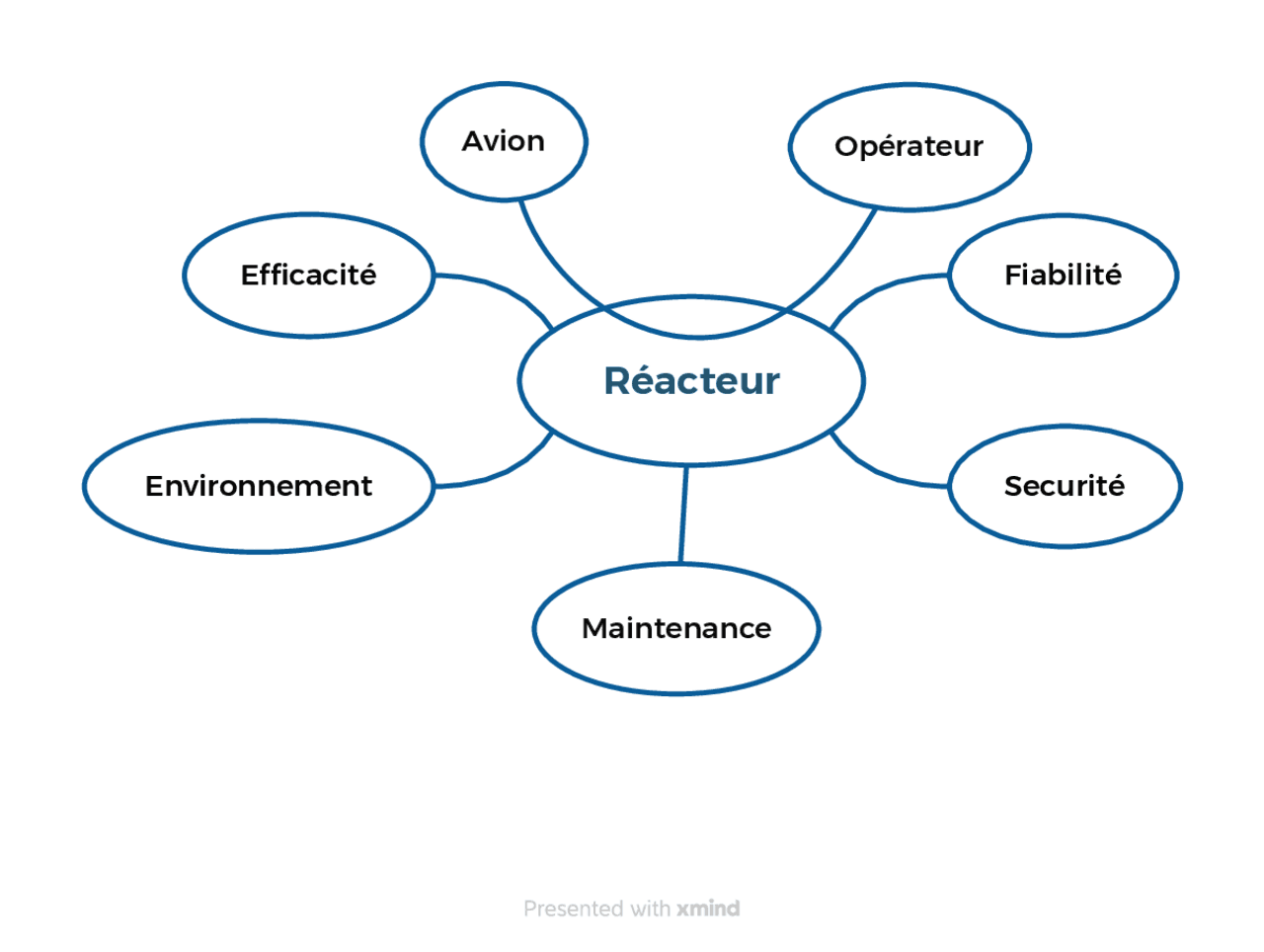
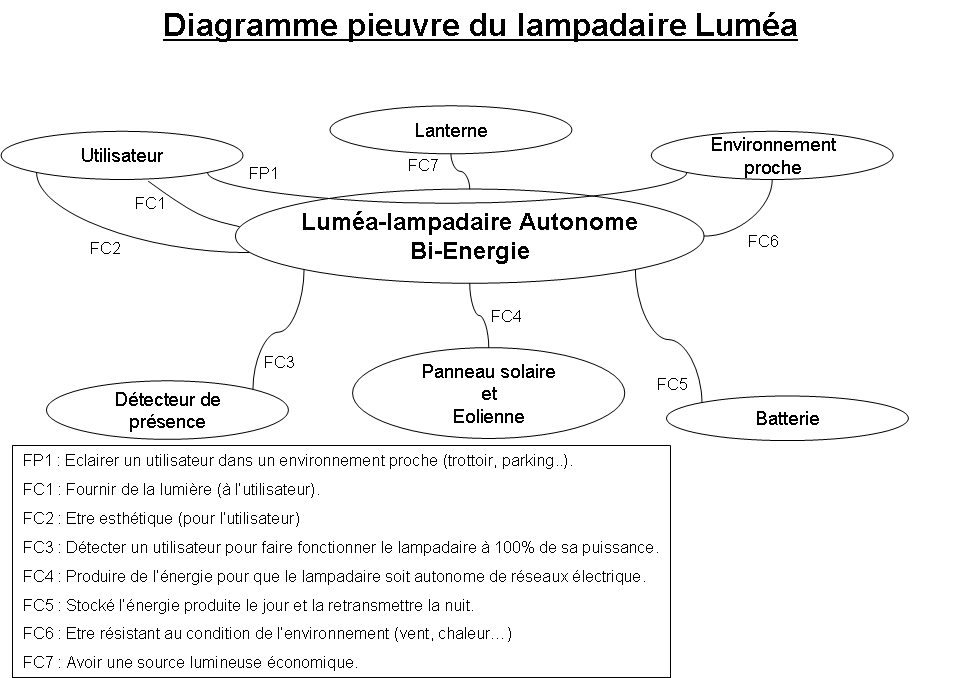
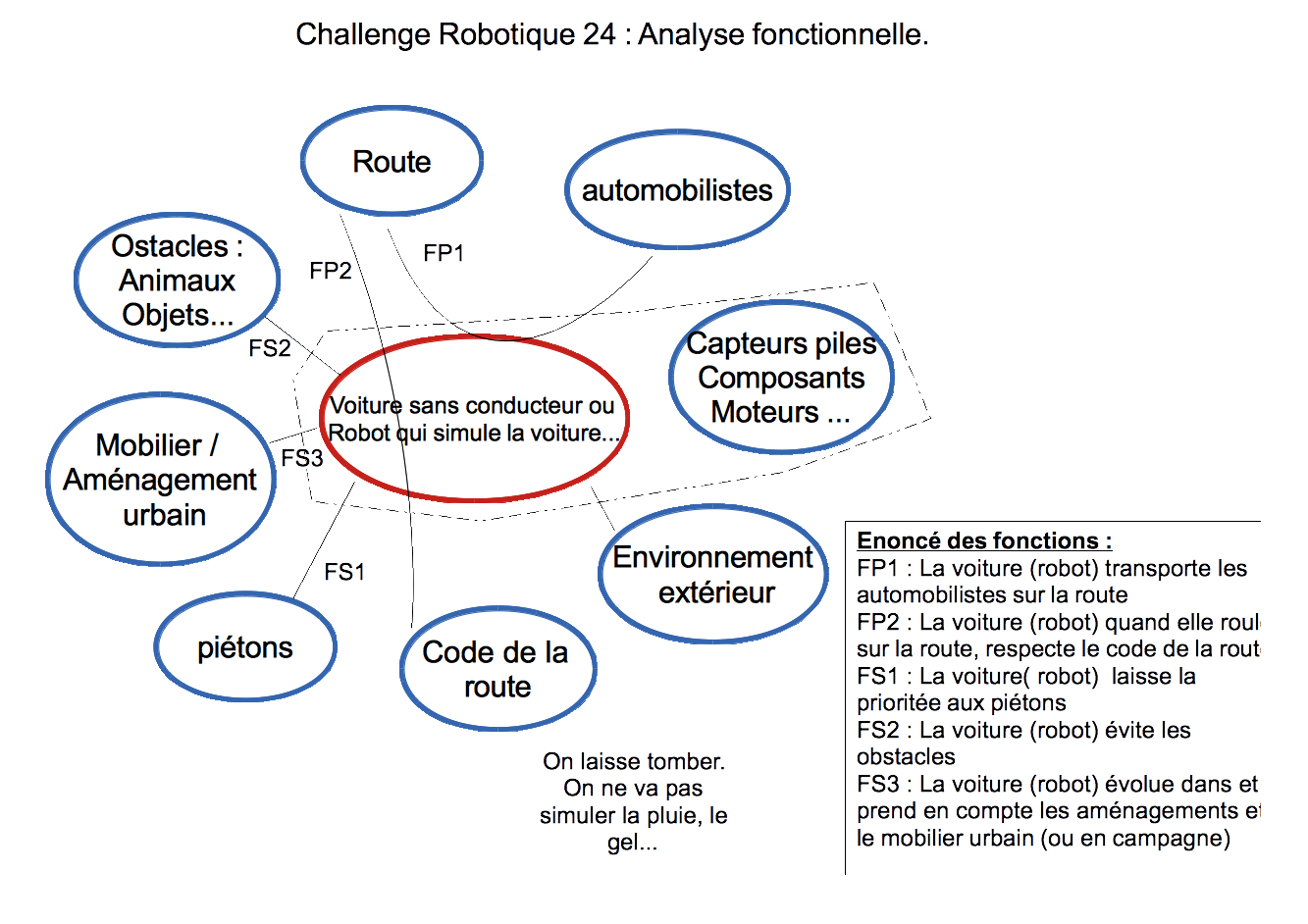
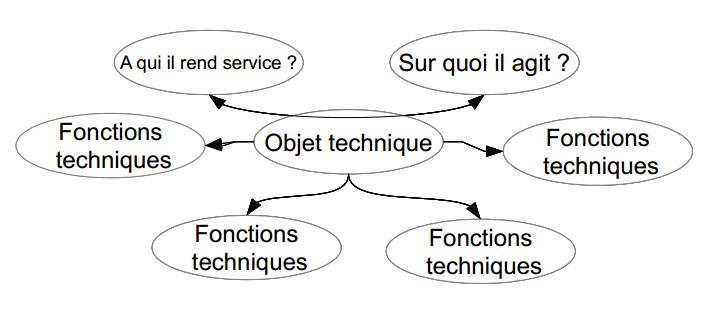
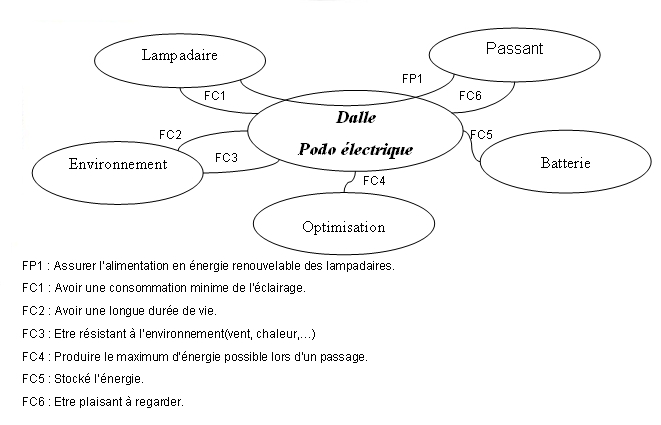
The 'Diagramme Pieuvre' – also known as a 'Functional Analysis System Technique' or FAST diagram in some circles – is basically a visual tool for breaking down the functions of a system. Think of it as a way to map out all the stakeholders, components, and environmental factors that influence your project. And yes, the name comes from the shape: a central "body" (your system) with "tentacles" reaching out to all the external elements.
The goal? To understand the relationships and dependencies within your system. It helps you identify what your product or service needs to do to satisfy users (and other constraints!).
Pourquoi un Diagramme Pieuvre sur ma Page de Garde?
Good question! It seems a little… intense for a cover page, doesn’t it? Well, here's the thing: it showcases your understanding. Slapping a Pieuvre diagram right on the front screams, "I've analyzed this thing from every angle!" (Even if you only just finished it. We won't tell.)

Seriously though, including a well-crafted Diagramme Pieuvre highlights:
- Your rigorous analysis: You’ve clearly thought about the system's purpose and its interactions.
- Your focus on key functions: You're not just describing the components; you're showing why they're important.
- Your professionalism: It demonstrates that you understand (and can use) industry-standard analytical tools. (Look at you, all fancy!)
Think of it as a mini-abstract, but instead of words, it's all visual. It provides a concise, graphical overview of your project's scope. It lets the reader understand right away what is your subject and how it relates with its environment.

Comment créer un Diagramme Pieuvre pour votre Page de Garde (sans crise de nerfs)
Okay, so how do you actually make one of these things? Don’t panic, it's less complicated than it looks. The basic process involves identifying:
- The main function: What is the system supposed to do? This is the "body" of the octopus.
- The internal components: What elements make up the system itself?
- The external environment: What are the external factors influencing the system (users, regulations, resources, etc.)? These are the "tentacles."
- The interactions: How does the system interact with its environment? This is where you define the functions de contraintes (constraints) and fonctions de service (service functions).
You can create it on paper, use diagramming software, or even find online templates. There are tons of resources available. Just Google "Diagramme Pieuvre example" and prepare to be amazed (and maybe slightly overwhelmed).

Pro Tip: Keep it simple! A cluttered Pieuvre diagram is worse than no Pieuvre diagram at all. Focus on the most important functions and interactions. You want clarity, not chaos.
Mais, est-ce que c'est vraiment nécessaire?
Well, that depends on the assignment (or the client). If your professor or client specifically requests a Diagramme Pieuvre, then yes, it's necessary. If it's not explicitly required, it's still a great way to elevate your work and demonstrate a deeper understanding. Think of it as an extra layer of… awesomeness.

And hey, even if you don't use it on the cover page, creating a Diagramme Pieuvre is a valuable exercise in itself. It forces you to think critically about your project and its place in the world. Plus, you'll feel like a super-smart engineer, which is always a bonus!
So, next time you're faced with a daunting project, don't be afraid to unleash the power of the Pieuvre! It might just be the secret weapon you need to conquer your cover page – and beyond.
Bon courage ! (Good luck!)