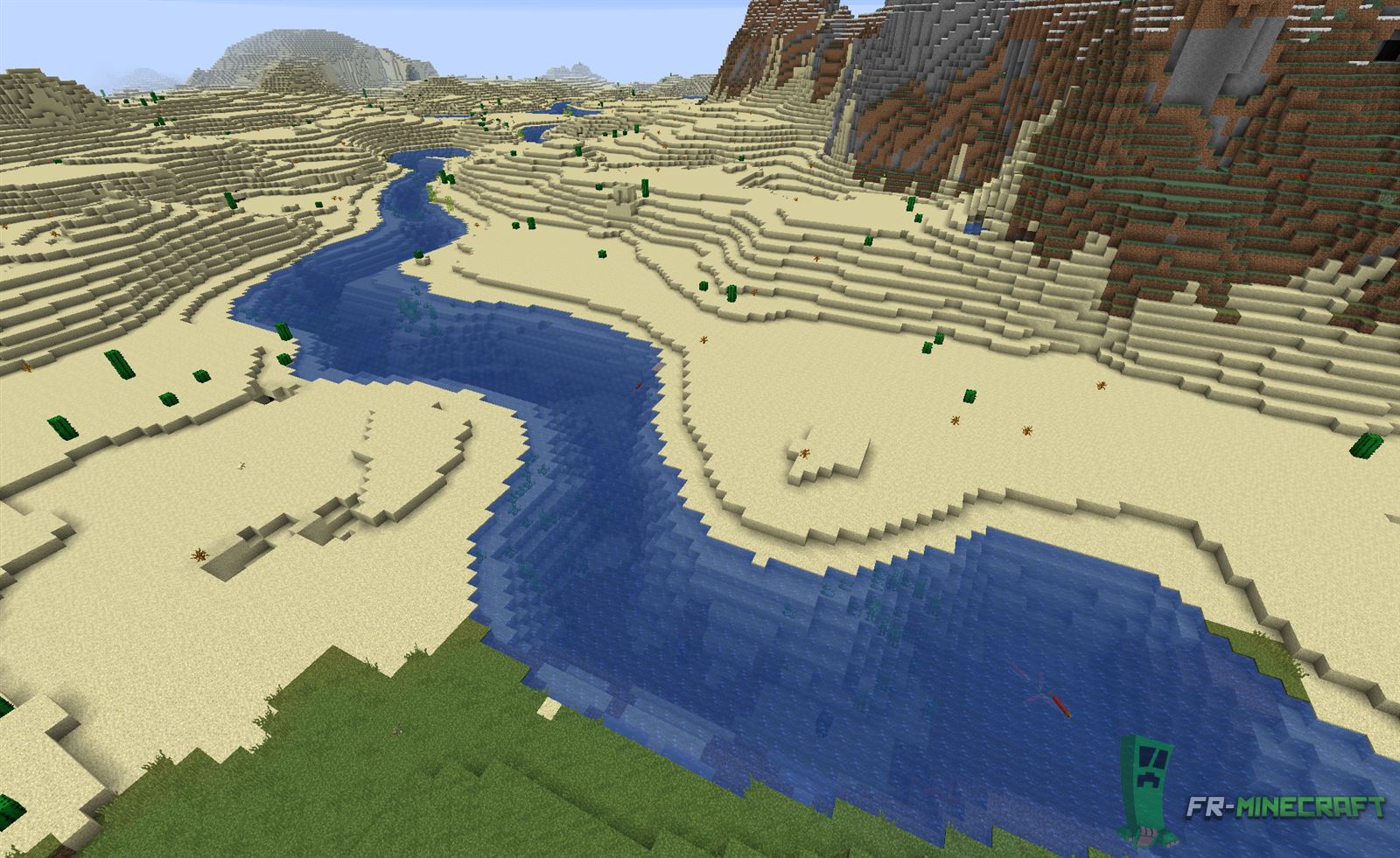
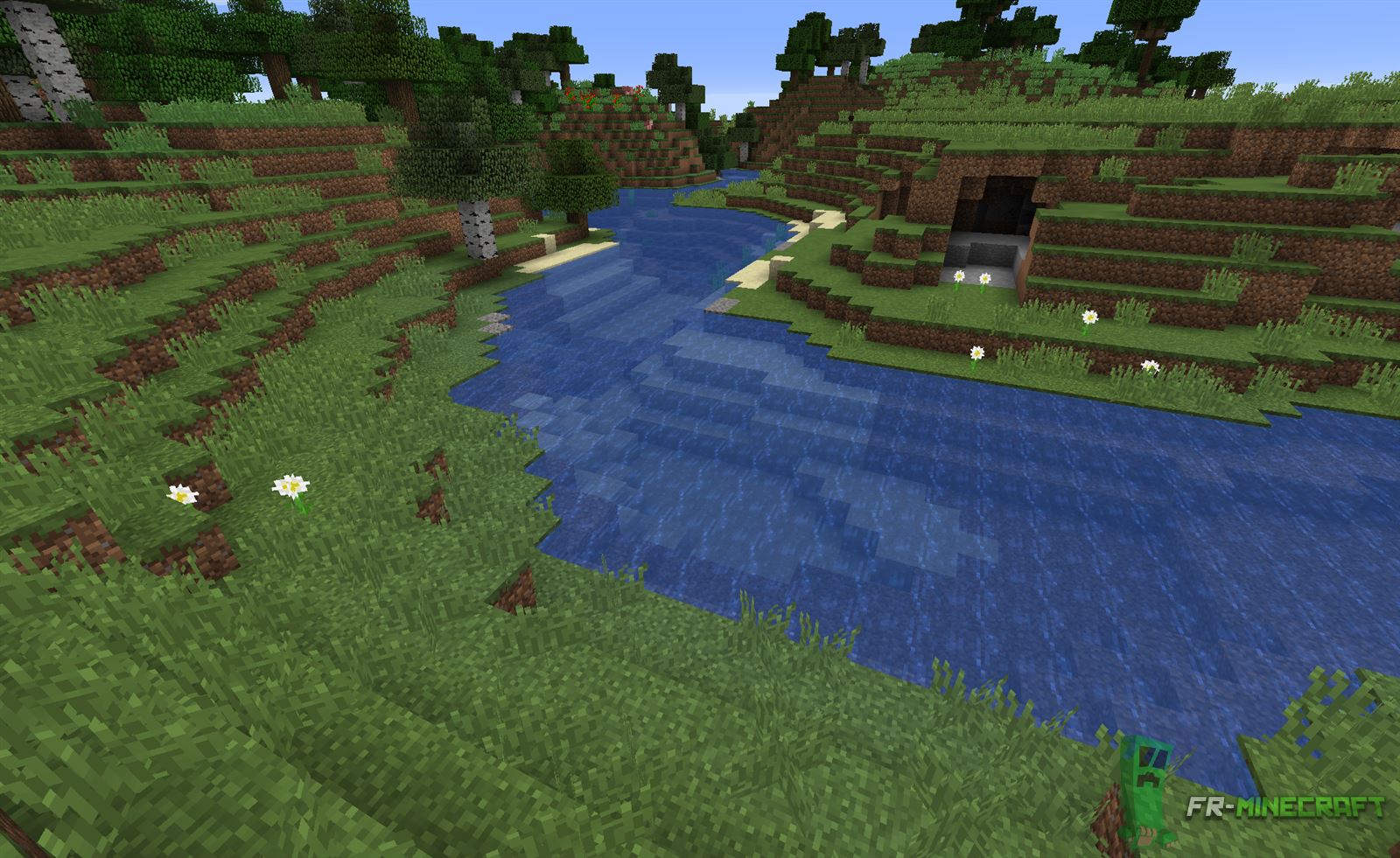
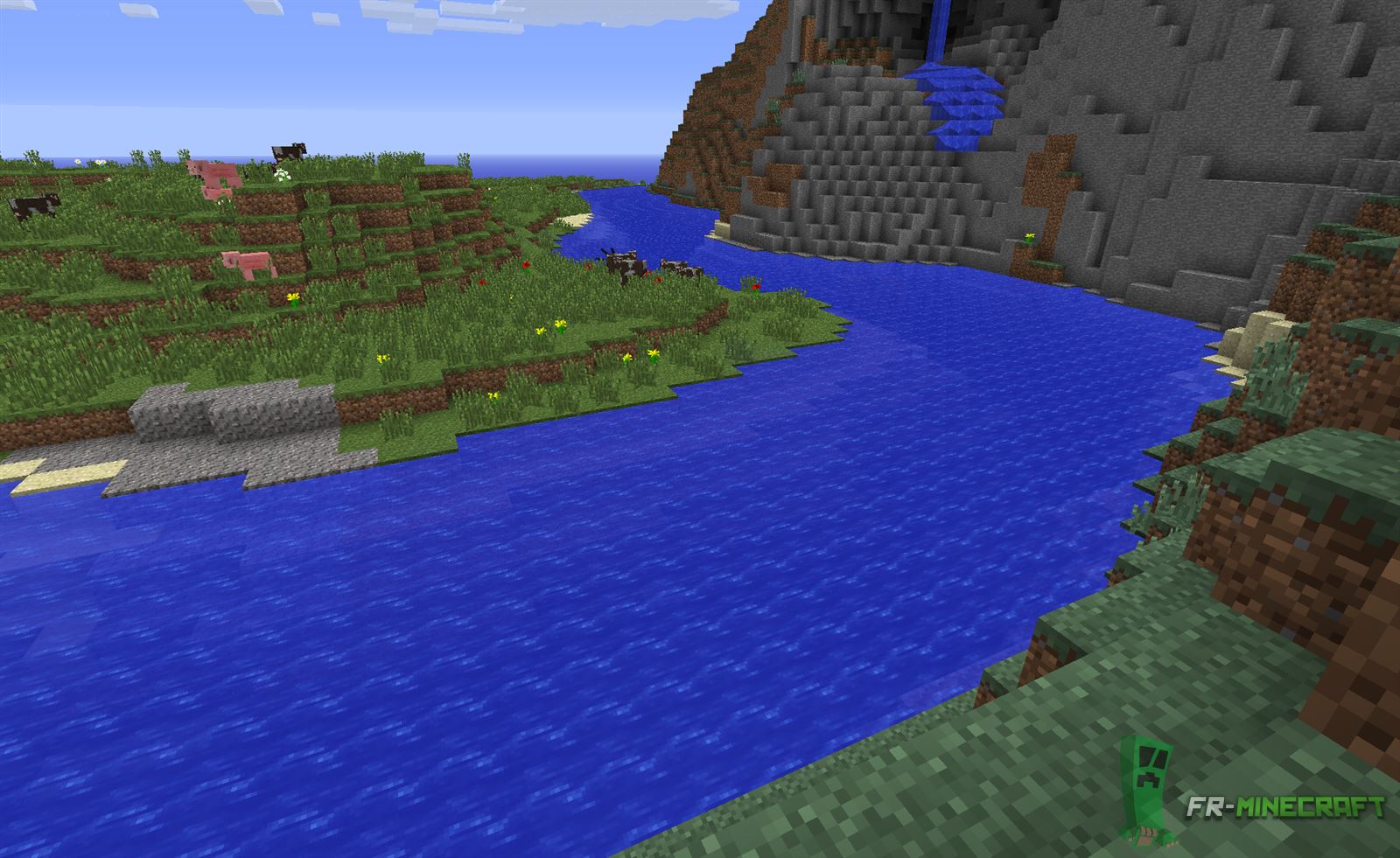
Okay, so picture this. Me, desperately trying to impress my friend Jean-Pierre with my Minecraft building skills. He's, like, the Michelangelo of pixel art. I wanted to create this epic landscape, complete with a majestic flowing river. The only problem? I’m notoriously bad at using WorldEdit. I always end up accidentally deleting half the map... or worse, creating a giant floating obsidian cube that looks like it was designed by a particularly uninspired alien civilization. So, no WorldEdit for me. The struggle was real. But, you know what? It's totally doable to make a stunning Minecraft river, even without resorting to fancy plugins. I'm here to share my hard-won (and slightly embarrassing) secrets!
Let's be honest, building a natural-looking river in Minecraft without WorldEdit can feel like carving Mount Rushmore with a butter knife. It's tedious. It requires patience. And it definitely involves a few moments where you want to throw your keyboard at the monitor. (Don't actually do that. Keyboards are expensive.) But the reward – that beautifully flowing river meandering through your landscape – is totally worth it.
Planning Your River's Course
First things first: plan. Seriously, plan. Don't just start digging a random trench and hope for the best. That’s a recipe for disaster – I speak from experience. Trust me. Imagine your river. Where does it begin? Where does it end? Does it flow gently through a valley, or does it cascade down a mountainside? Think about the terrain it will be traversing.
I like to use wool blocks of different colors to mark out the planned route of my river. It’s easy to see, and easy to remove later. You can use any blocks you like, really. The key is to get a visual representation of your river’s path before you start digging. It sounds basic, but it saves a lot of headaches later. (Believe me, I've had enough Minecraft headaches to last a lifetime.)
Consider the width of your river. A narrow stream is very different from a wide, powerful river. Also, think about the depth. Rivers aren't usually perfectly flat at the bottom – vary the depth to make it look more natural. You can even add little underwater “pockets” or deeper areas to add visual interest.

Digging the Riverbed: Patience is Key
Okay, now for the fun (and by fun, I mean slightly repetitive) part: digging. Start digging out the riverbed along your planned route. Don't just dig a straight line! Remember, rivers rarely flow in perfect straight lines in nature. Add curves and bends to make it look more natural. Think about how a river might erode the landscape over time.
Pay attention to the slope of the riverbed. A gentle slope will create a slow-flowing river, while a steeper slope will create a faster-flowing river with waterfalls or rapids. Think about what kind of effect you want to achieve. Don’t be afraid to experiment! And don't be afraid to undo things, either. Minecraft is forgiving like that. (Unless you accidentally delete your entire house. Then it's not so forgiving.)
Adding the Water: The Moment of Truth
Now for the exciting part: adding the water! This is where your river really starts to come to life. Start at the source of the river (where it begins) and carefully place water source blocks. The water will naturally flow downwards, filling the riverbed.

The trick is to create a continuous flow. If the water stops flowing at some point, you’ll need to add more water source blocks upstream. This can be a bit tricky, especially in areas with a steep slope. But with a little patience, you can get it right. (Pro-tip: flowing water can be super annoying to work with if it's not contained. Consider building temporary walls along the riverbed to keep the water from spilling everywhere.)
Landscaping: The Finishing Touches
This is where you can really let your creativity shine! Add details to the riverbanks to make them look more natural. Use different types of blocks, such as grass, dirt, stone, and sand. Add plants, trees, and flowers to the riverbanks. You can even add rocks and pebbles to the riverbed. (And maybe a few strategically placed lily pads.)

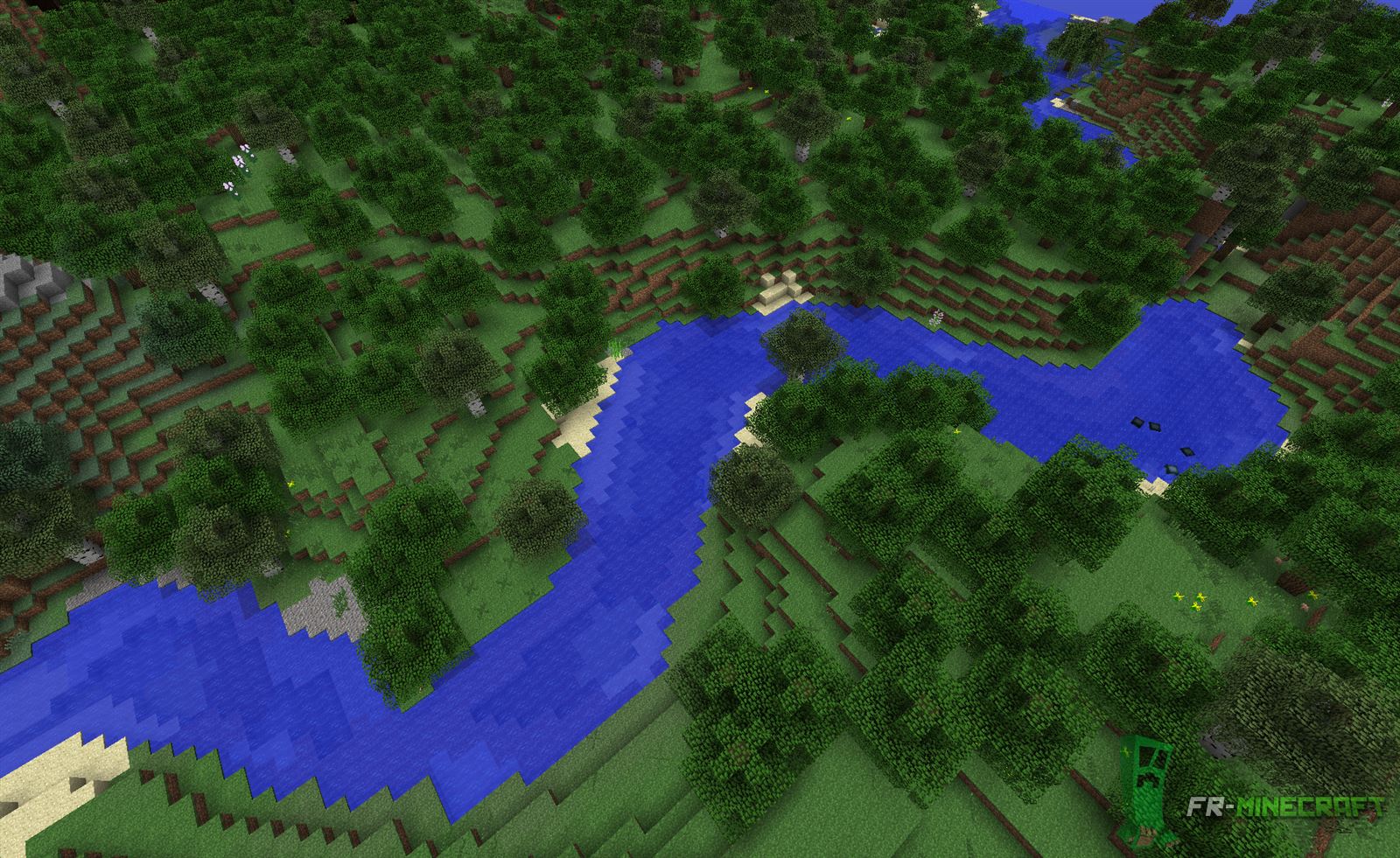
Don't forget about the surroundings! A river doesn't exist in a vacuum. Think about the landscape around the river. Does it flow through a forest? A desert? A mountain range? Adjust the surrounding terrain to match the river.
Remember to vary the terrain. Minecraft can be a little too geometric if you're not careful. Use different heights and textures to avoid a "flat" appearance. Think about erosion effects – maybe a bit of sand and gravel deposited on one bank where the river bends sharply.
And there you have it! Your very own Minecraft river, built entirely by hand (or rather, by pickaxe). Sure, it might not be as quick or as easy as using WorldEdit. But it's definitely more rewarding. And you can impress your friends with your mad Minecraft skills. (Especially Jean-Pierre!) Happy building!
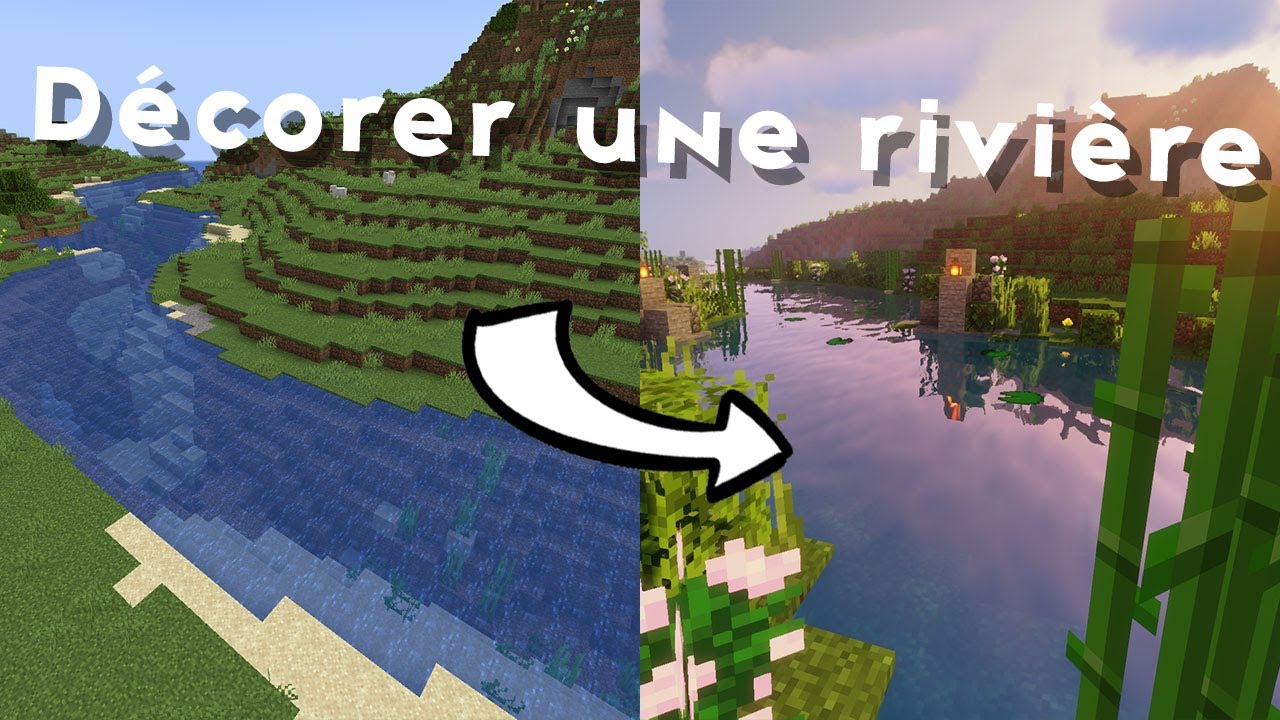
![VOD - Minecraft // Je fait une Rivière au milieu du Village [3/3] - YouTube](https://i.ytimg.com/vi/YnOG9SKK3wo/maxresdefault.jpg)