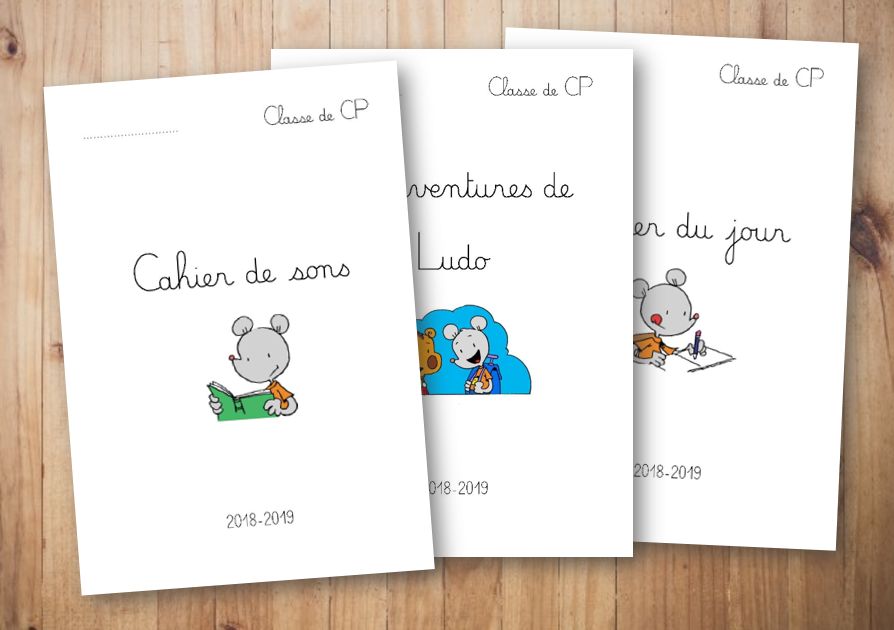
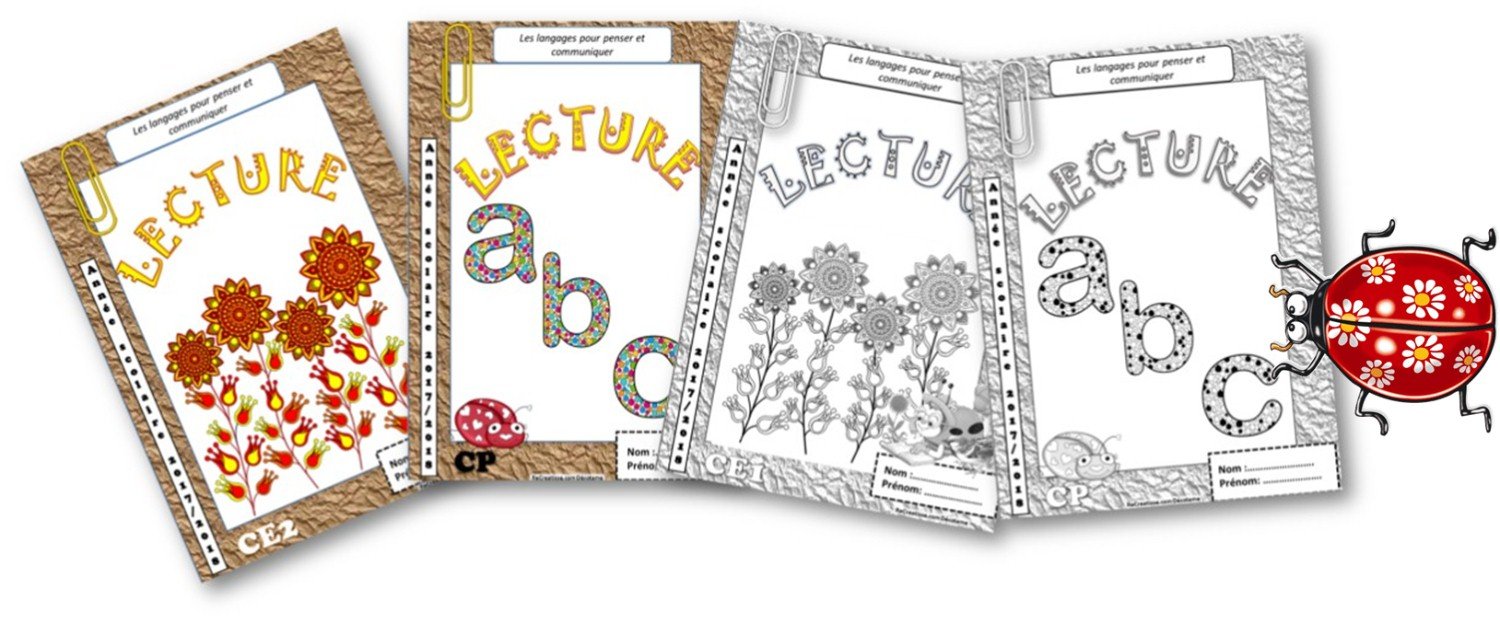
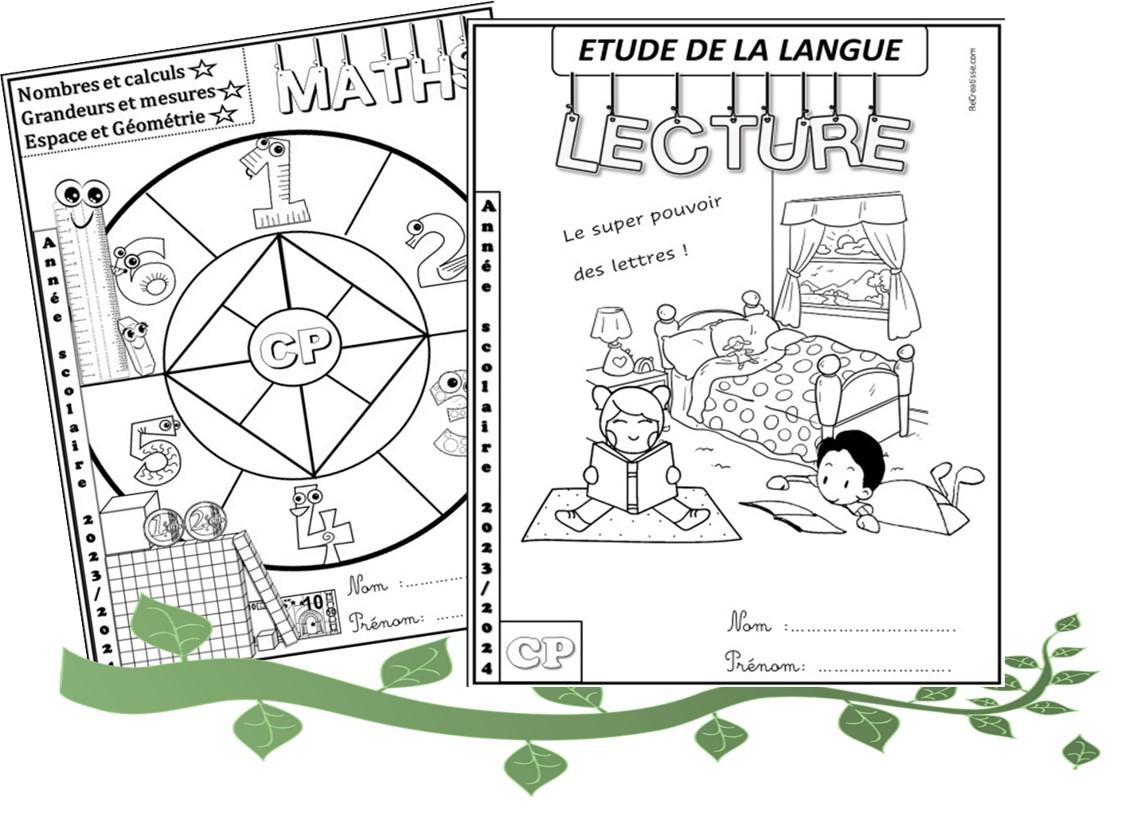
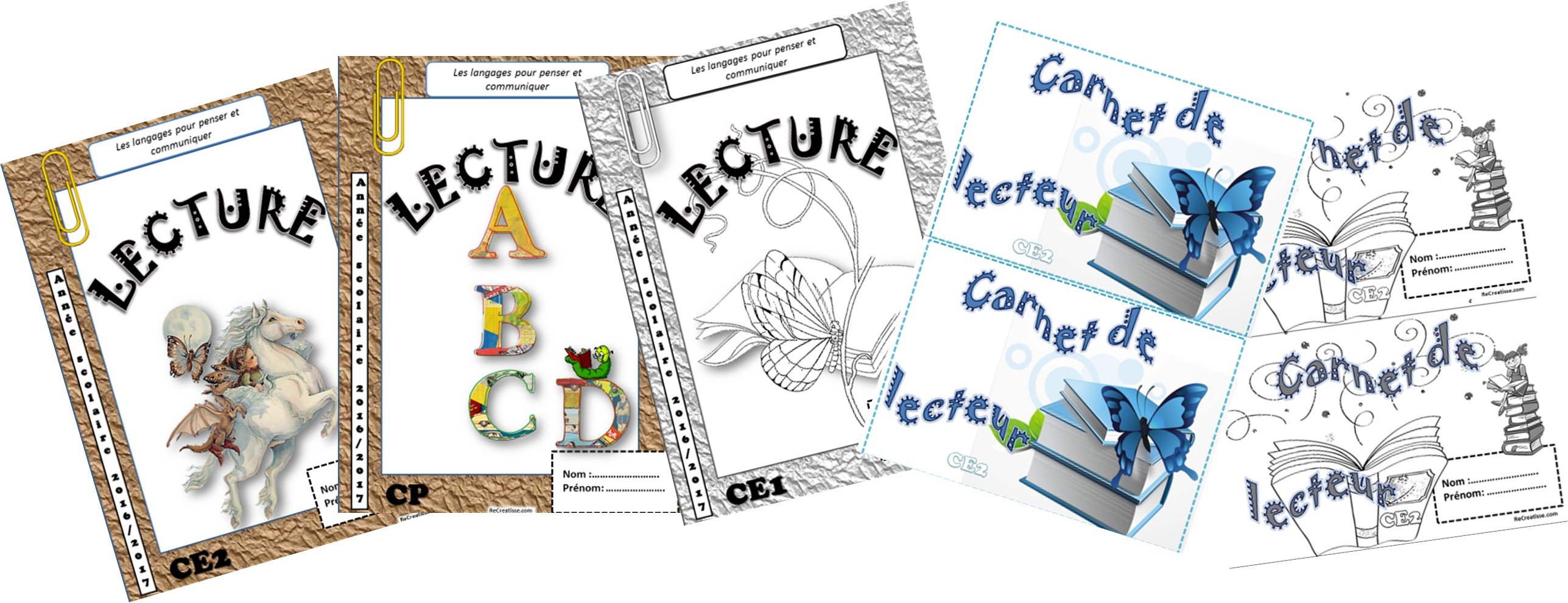
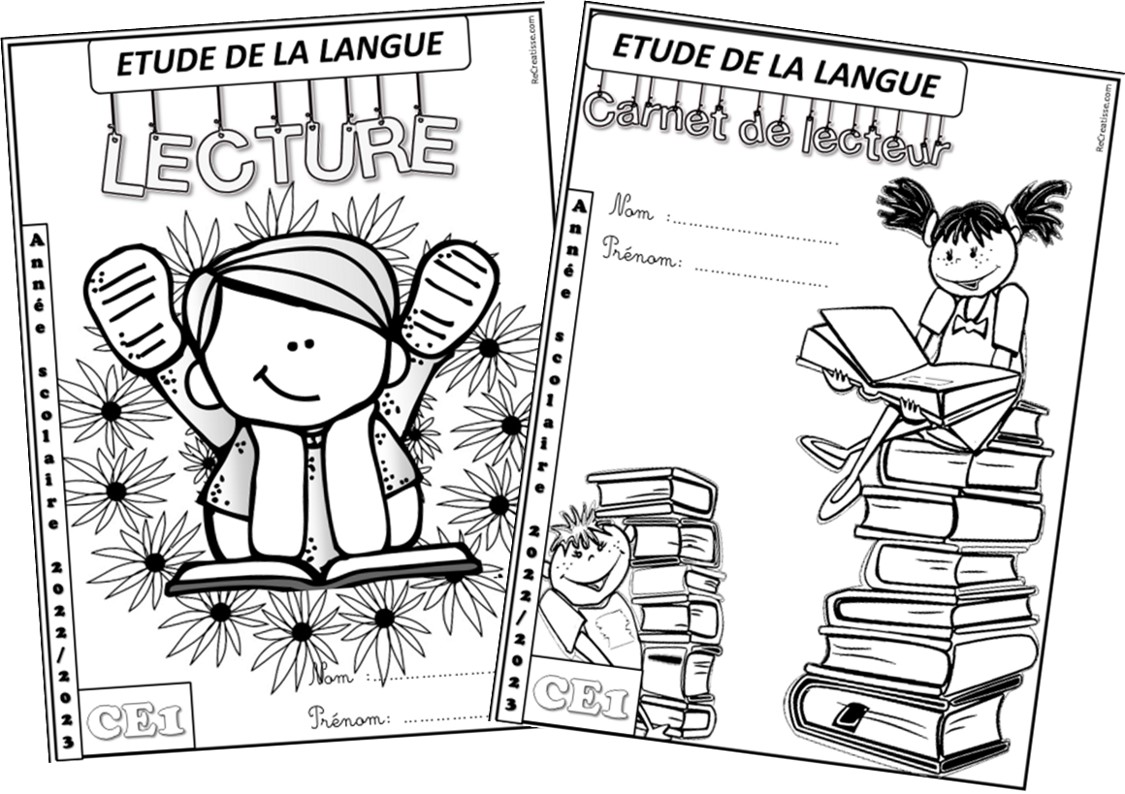
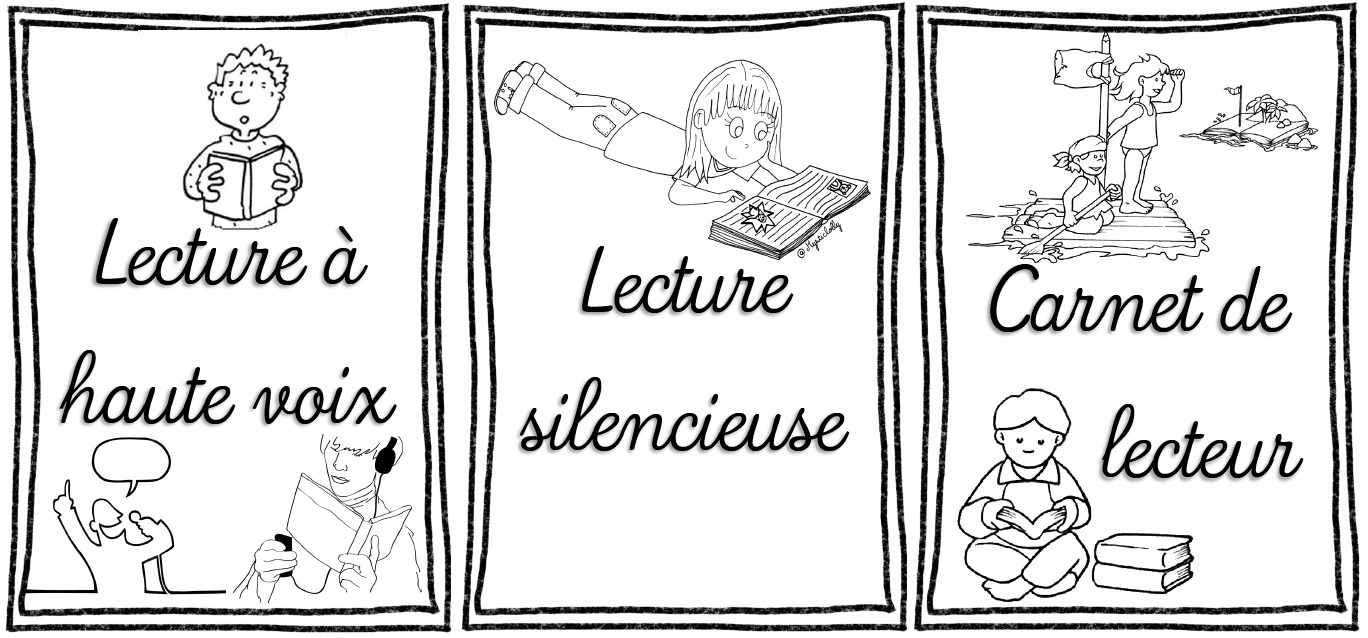
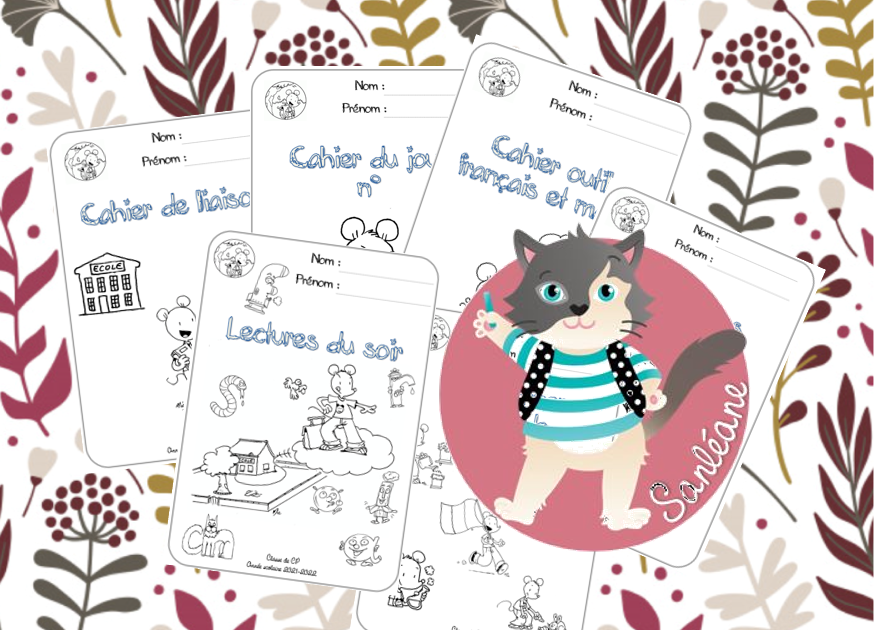
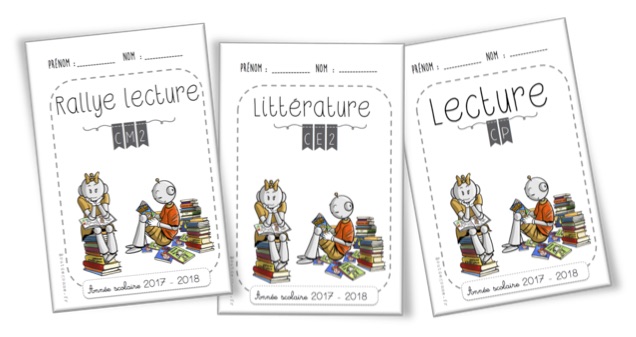
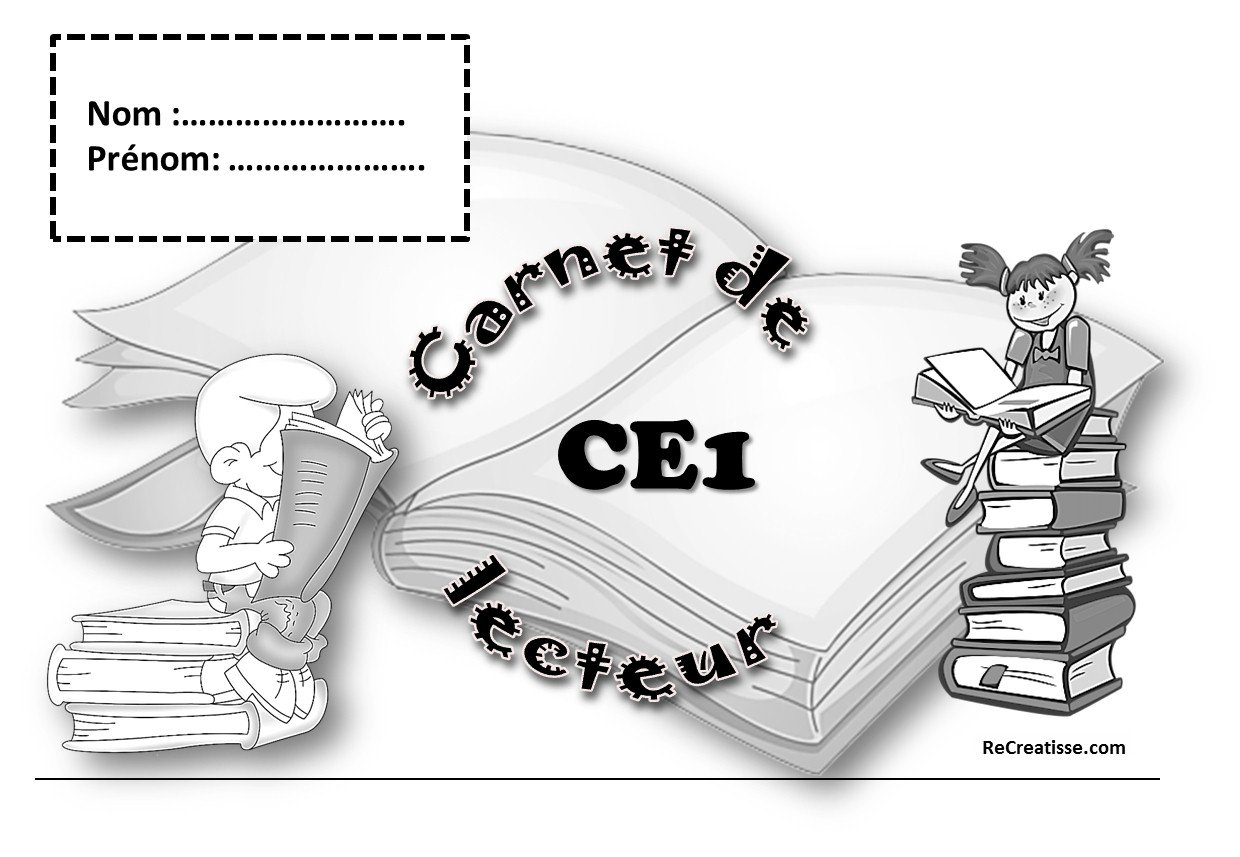
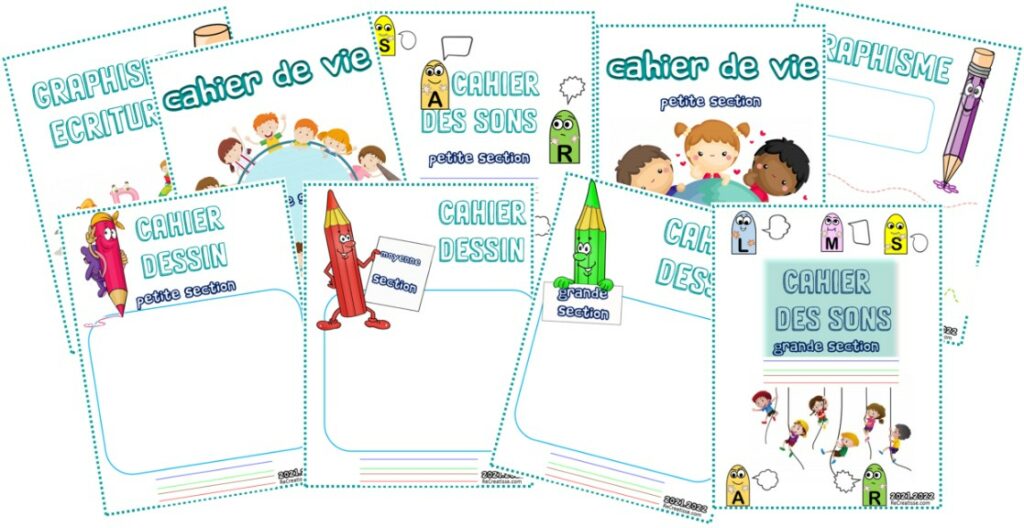
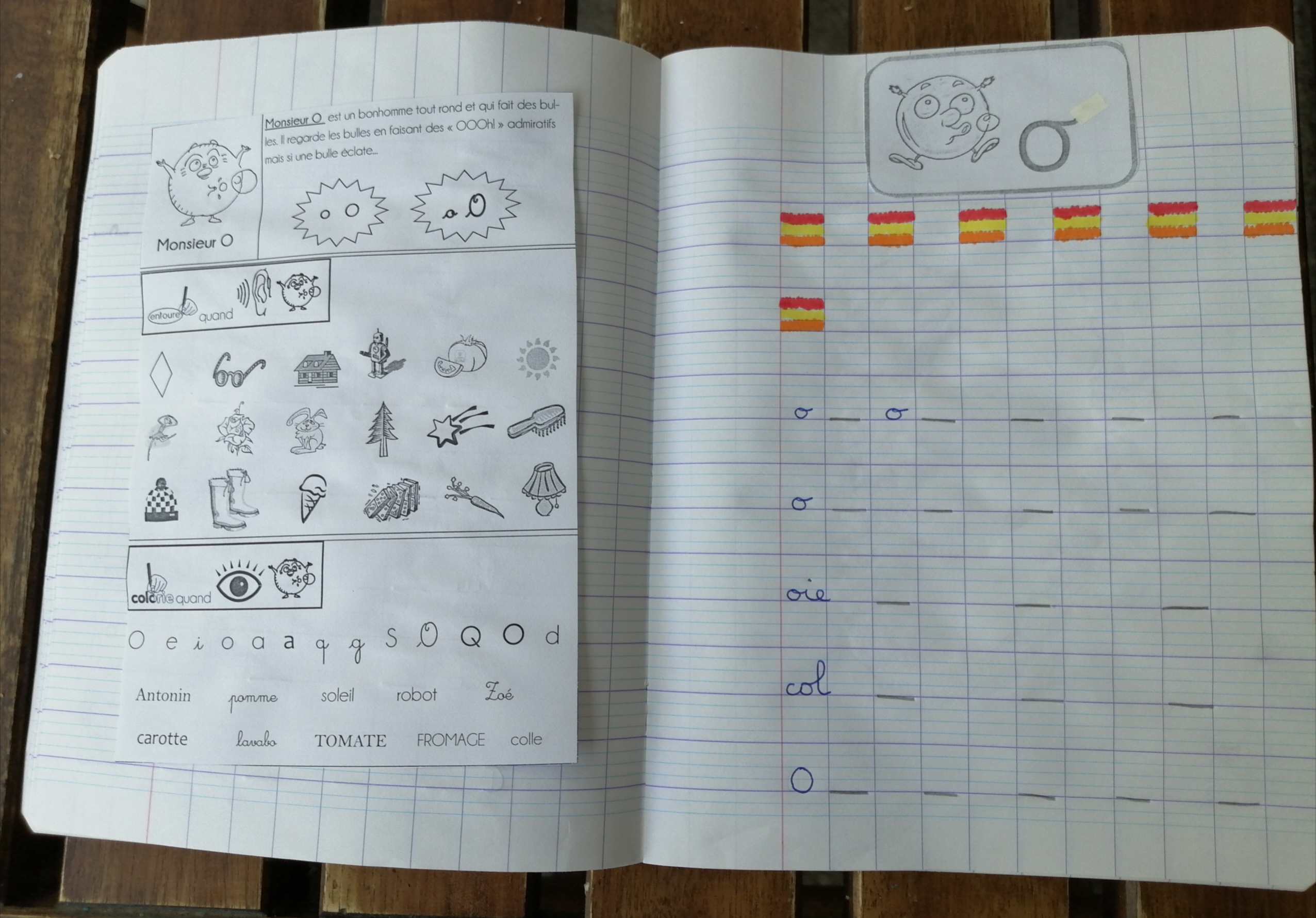
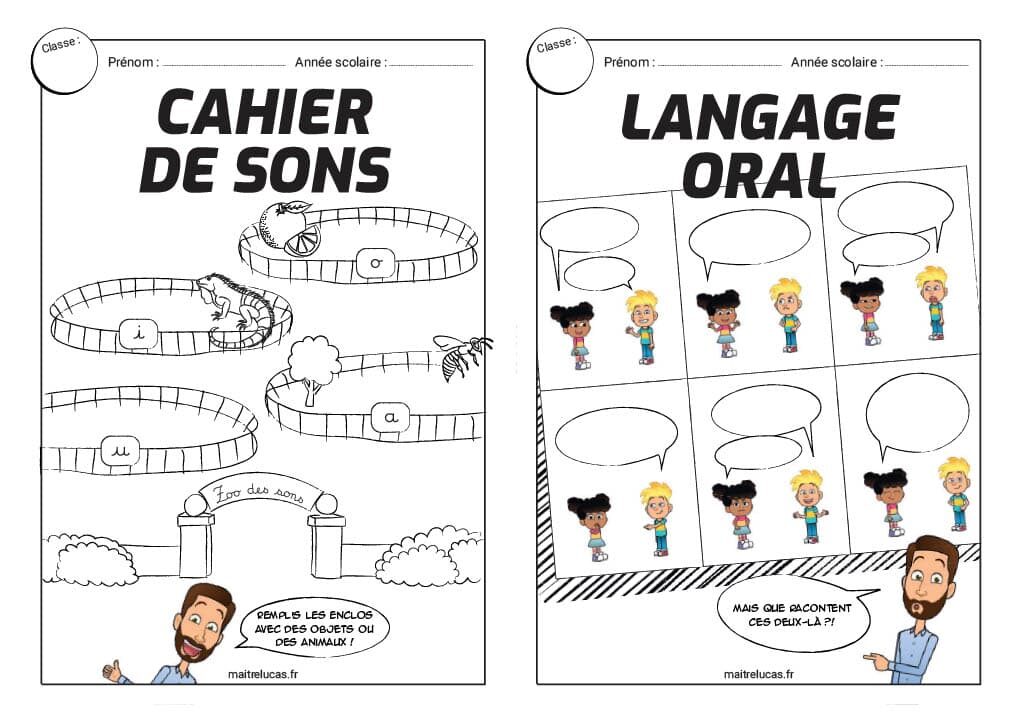
Ah, la "Page de Garde"! More than just a title page, it's the prelude to your academic symphony, the carefully chosen album cover for the mixtape that is your cahier. Whether you're tackling maths, mastering Molière, or sketching surrealist dreams, that first page sets the tone. Let's dive into the world of the "Cahier Sons Lecture Page de Garde," shall we?
The Anatomy of a Killer Page de Garde
Think of it as the ultimate first impression. It’s your chance to wow (or at least adequately impress) your prof, and maybe even spark a little joy every time you open your notebook.
The Essentials: Playing it Safe (but Chic)
Okay, let's cover the basics, like ensuring you don't lose points for forgetting the essentials:
- Nom et Prénom: Always first and last name. Avoid nicknames unless you're on a first-name basis with Einstein.
- Matière: The subject. Be specific! Is it "Histoire" or "Histoire de l'Art"? Precision is key.
- Année Scolaire: The academic year. "2023-2024" is classic.
- Nom de l'Enseignant(e): The teacher's name. Get the spelling right! Misspelling it is a surefire way to start off on the wrong foot.
Remember, neatness counts! A well-organized, legible page is always a win.
Elevating Your Page de Garde: Time to Get Creative!
Now for the fun part! Once you've got the essentials down, it's time to infuse your personality. This is where you move from "adequate student" to "student with panache".
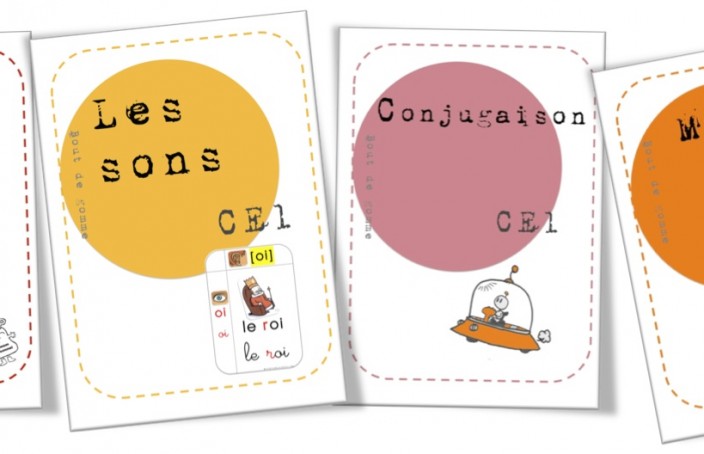
- Visual Flair: A small, relevant image can speak volumes. Think a minimalist sketch of a mathematical formula for maths, a quote from Baudelaire for literature, or a historical figure for history. Subtlety is your friend here.
- Color Coding: Use colored pens or highlighters to differentiate sections. A pop of color can make the information easier to digest and more visually appealing.
- Font Fun (Within Reason): Experiment with different fonts – but avoid Comic Sans at all costs! Opt for something legible and aesthetically pleasing. Think handwritten calligraphy for a touch of elegance, or a clean sans-serif font for a modern feel.
"Sons Lecture": Adding Audio-Visual Intrigue
Here’s where it gets interesting. The phrase "Sons Lecture" implies an auditory or combined experience. Consider incorporating elements that hint at the sounds associated with the subject:
- Music Notes: For music class, obviously!
- Speech Bubbles: For language class, or anything involving communication.
- Abstract Waveforms: A cool, minimalist representation of sound for physics.
Page de Garde Culture: A Quick History Lesson
Believe it or not, the concept of decorating notebooks has a long and storied past. From medieval illuminated manuscripts to 19th-century scrapbooks, people have always found ways to personalize their learning materials. The "Page de Garde" is simply the modern iteration of this age-old tradition.
Practical Tips & Tricks
- Plan Ahead: Don't wait until the last minute! Take some time to brainstorm ideas and gather materials.
- Use a Ruler: Straight lines are your friend.
- Start Lightly: Sketch out your design in pencil before committing to ink.
- Less is More: Don't overdo it! A cluttered page can be distracting.
- Embrace Imperfection: It's okay if it's not perfect! The goal is to create something that reflects your personality and inspires you to learn.
Beyond the Page: The Power of Presentation
Ultimately, your "Page de Garde" is a reflection of your approach to learning. It demonstrates your attention to detail, your creativity, and your willingness to go the extra mile. It's a small act of self-expression that can have a big impact.
So, the next time you're faced with a blank "Page de Garde," remember that it's more than just a formality. It's an opportunity to make a statement, to set the stage for a semester of learning, and to inject a little bit of joie de vivre into your academic life. After all, even the most mundane tasks can be elevated with a touch of creativity and a healthy dose of personal flair.