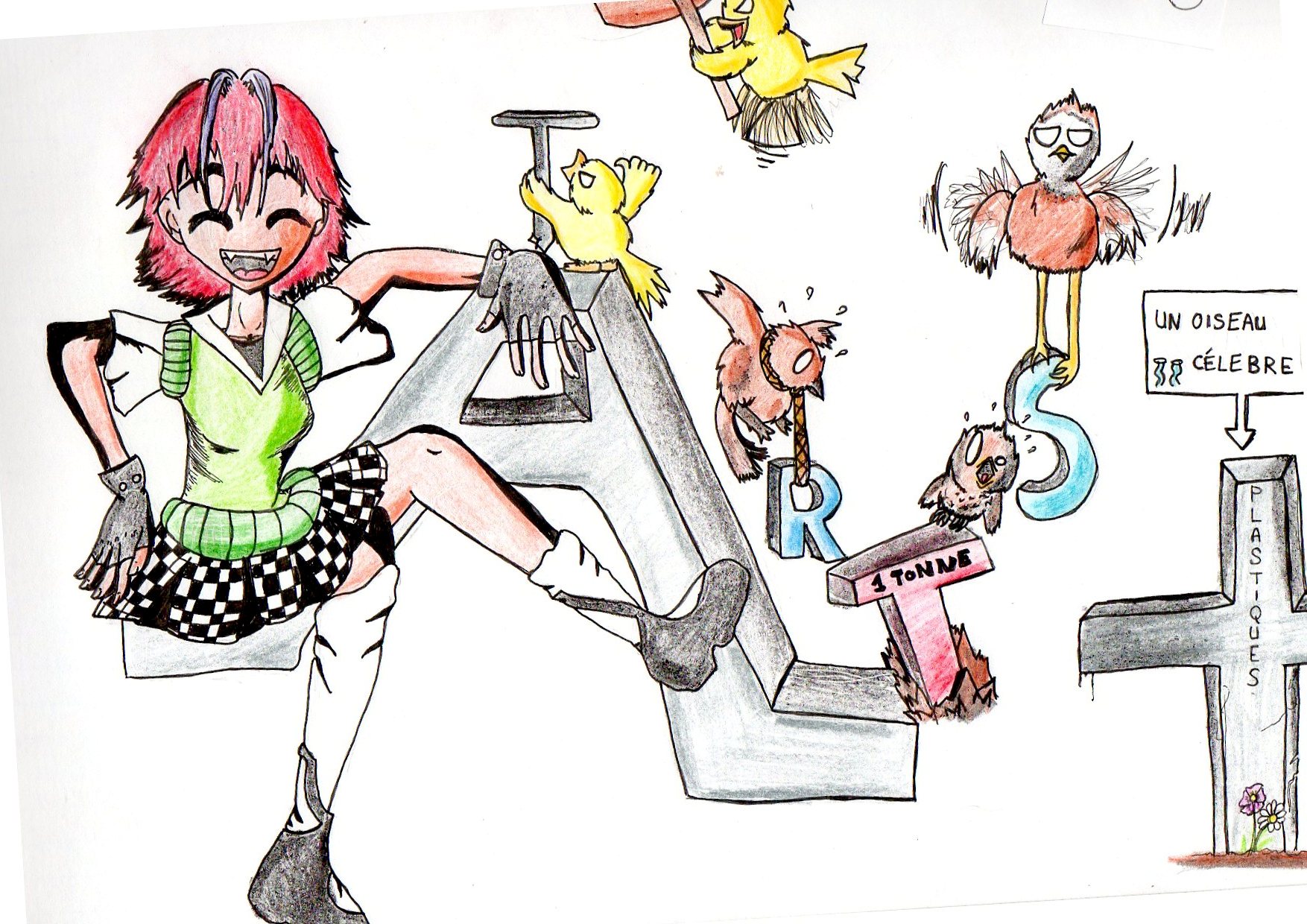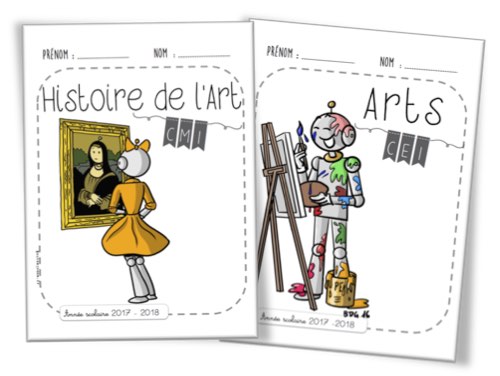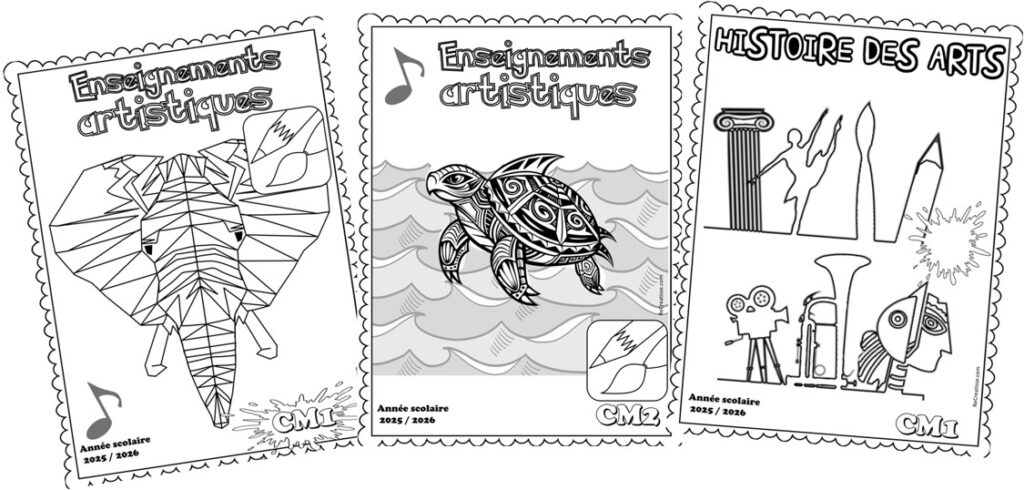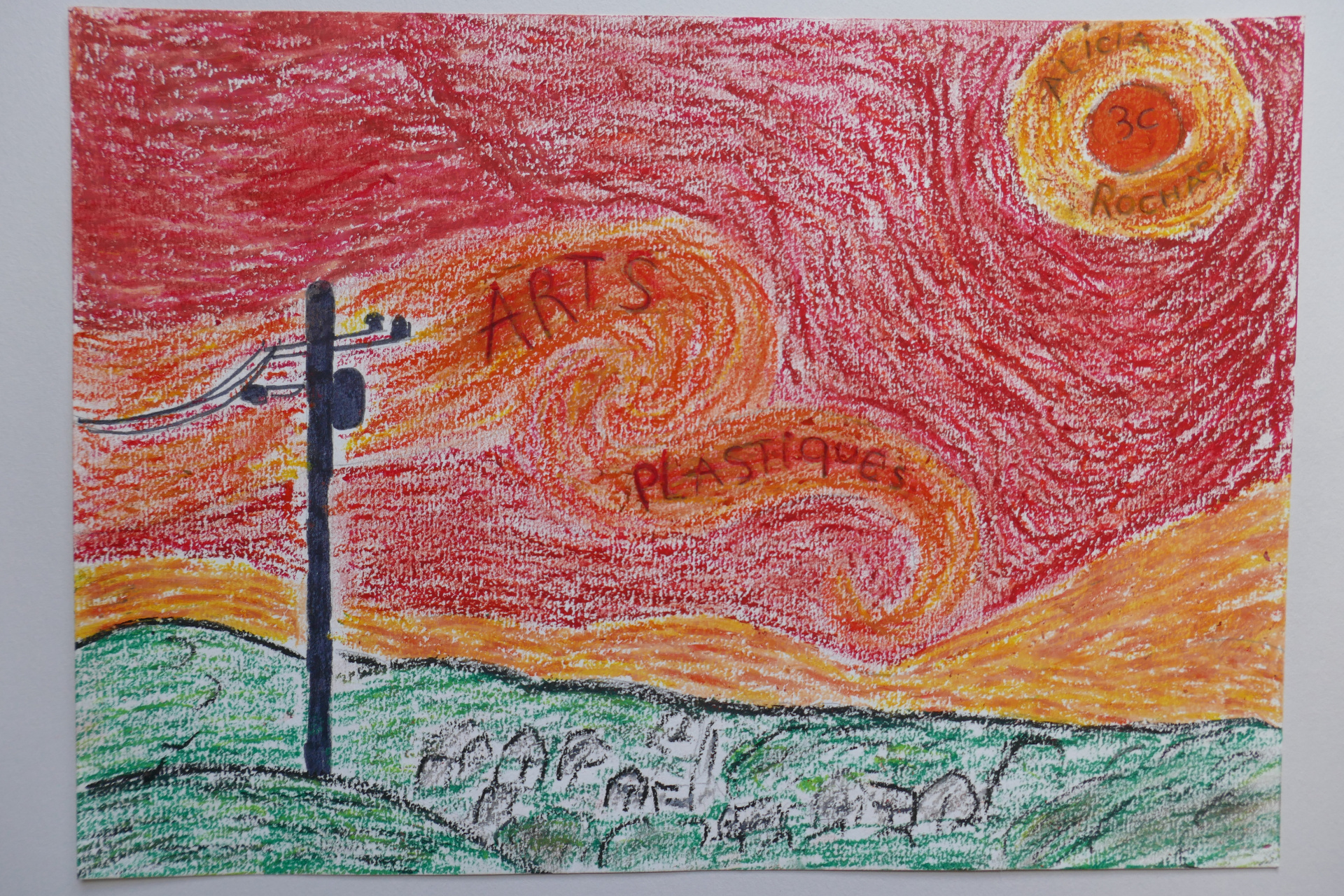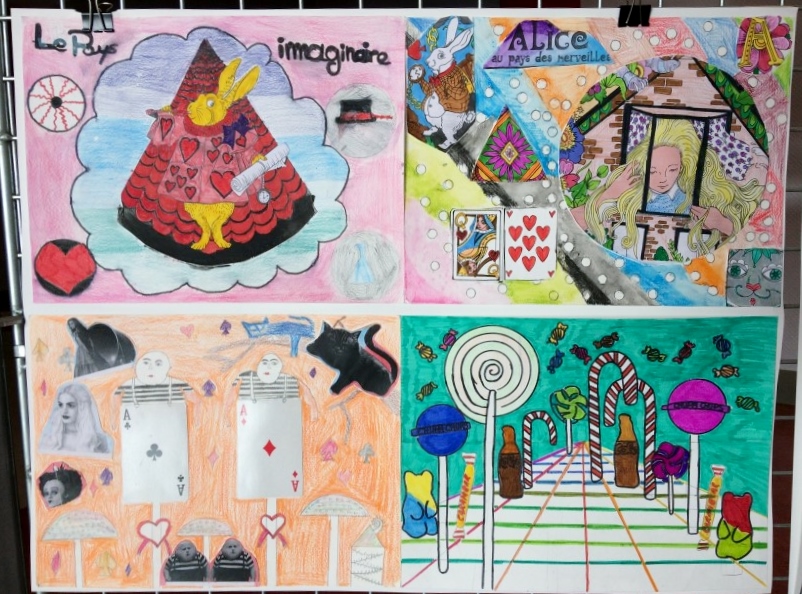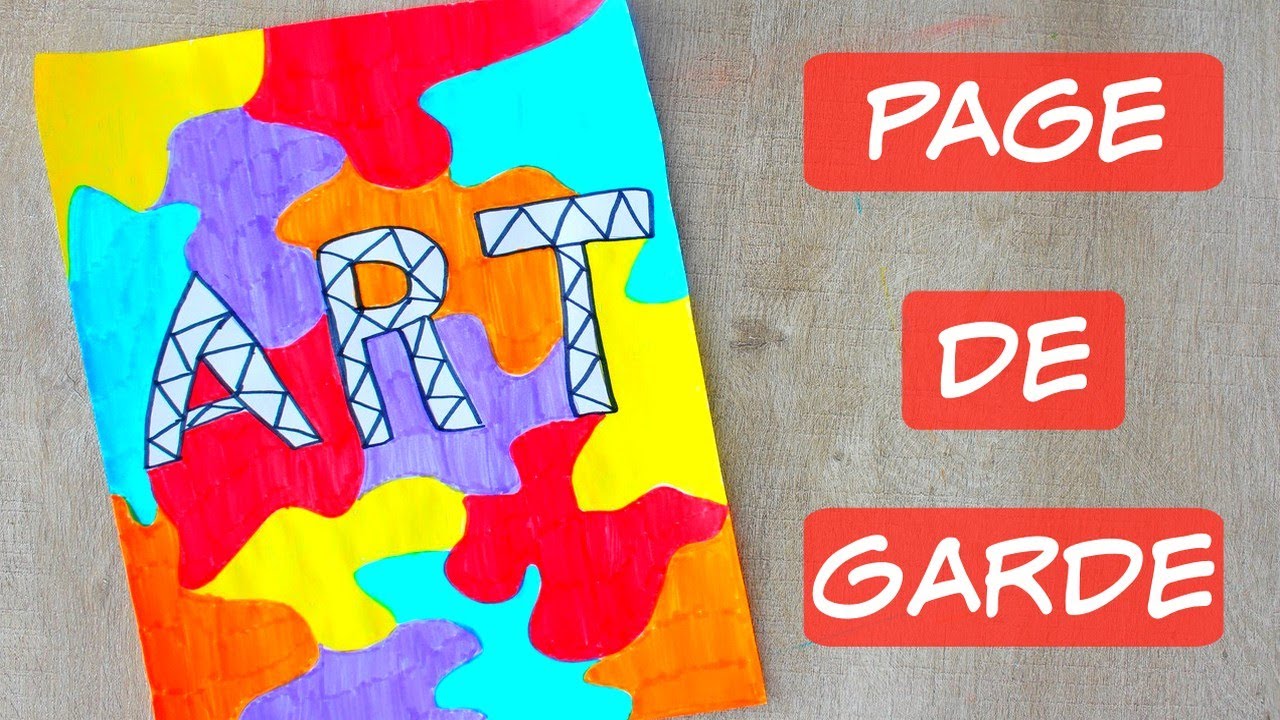
Okay, so picture this: me, in 6th grade art class, staring blankly at a pristine sheet of paper. The assignment? "Page de Garde" for our art portfolios. Basically, a fancy cover page. Everyone else was whipping out glitter and stencils like it was going out of style. Me? I drew a slightly lopsided cat. Tragic. But hey, it was my tragic, right?
That whole "Page de Garde" ordeal got me thinking about the idea of a "gesture" in art – and how even that wobbly cat drawing was, in its own way, a gesture.
What's This "Geste" Thing Anyway?
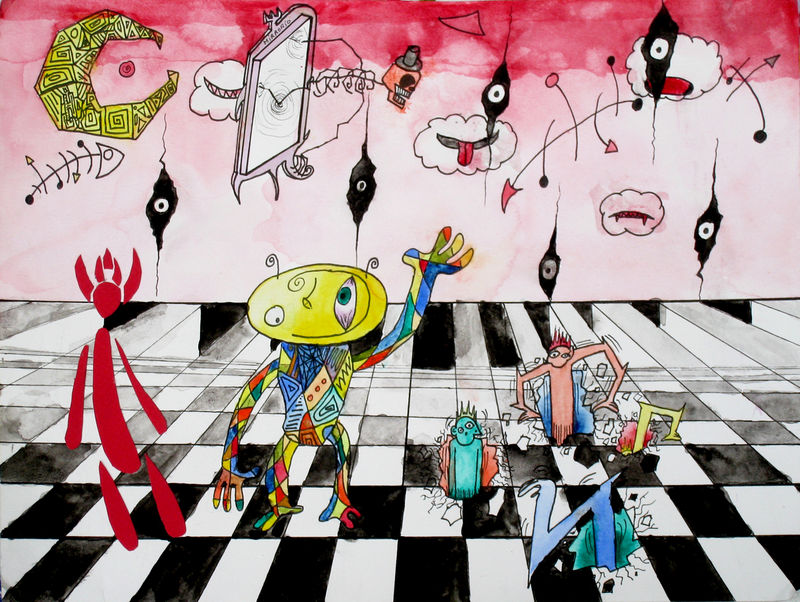
The word "geste" (pronounced "jest," more or less, for you English speakers out there – you know who you are!) in art refers to the mark-making process itself, the physical act of creating. It's about the energy, the intention, the movement of the artist's hand. It's less about what you're drawing and more about how you're drawing it. Think Jackson Pollock splattering paint everywhere – that’s pure, unadulterated geste.
We're talking about:
- The brushstroke: Is it thick and confident, or thin and hesitant?
- The texture: Is it smooth and blended, or rough and impasto?
- The pressure: How hard are you pressing down with your pencil, brush, or even your finger (no judgment!)?
- The speed: Are you working quickly and spontaneously, or slowly and deliberately?
See? It's all about the dance between the artist and the materials. It's about capturing a moment, a feeling, a vibration, even. (I’m getting all artsy-fartsy now, aren't I? Sorry, not sorry.)

"Art Plastique" and the "Geste" Connection
"Art Plastique" is a broad term, encompassing all sorts of visual arts. But when you think about geste in the context of "Art Plastique," it becomes even more interesting. It’s not just about painting and drawing. Think about sculpting! The way a sculptor manipulates clay, chisels stone, or even welds metal – that’s all geste in action. The imprint of the artist's hand is literally embedded in the material.
The Unintended Geste
Sometimes, the most interesting gestes are the ones we don't even plan. Like, have you ever accidentally spilled paint and then thought, "Wait, that actually looks kind of cool?" That happy little accident? Yeah, that's geste too! (Bob Ross would be proud.)

Or think about the imperfections, the little flaws in a piece of art. Maybe a brushstroke is a bit too heavy, or a line is slightly off. But these "mistakes" can actually add to the piece's character and make it more unique. They reveal the artist's hand, their process, their humanity. Basically, don't be afraid to mess up. Embrace the chaos!
Back to the "Page de Garde"
So, how does all this connect back to that terrifying "Page de Garde" assignment? Well, even though my 6th grade cat drawing wasn't exactly a masterpiece, it was still a geste. It was a record of my attempt, my effort, my slightly awkward artistic expression at that particular moment in time. And maybe, just maybe, that's enough. C'est tout!
The next time you're creating something, don't just focus on the end result. Pay attention to the process, the feeling, the movement. Embrace the geste, and see where it takes you. You might just surprise yourself. And if all else fails, you can always draw a slightly lopsided cat.